The Rolling Stones · 1965 · Studio album
Out of Our Heads tuning.
E Standard, about 11 cents flat (A ≈ 437), measured on the CD. 5 of 12 songs are tuned differently.
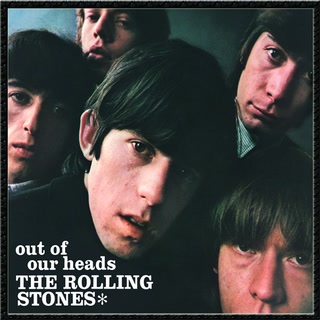
Album tuning
E Standard −11 ¢
About 11 cents flat (A ≈ 437), measured on the CD.
MeasuredFrom tabs
Measured by TuneLit
11 ¢ flat
| Source | Offset | Equivalent A | Songs | Spread | Confidence |
|---|---|---|---|---|---|
| CD, ABKCO, US edition (ALAC rip; pressing not identified) | −10.9 ¢ | A 437.2 | 12 | −14.8 to −8.7 ¢ | High |
Before we measured, sources said: E Standard, with no pitch given (community).
The American edition, released in July 1965 with Satisfaction, The Last Time and Play with Fire (the British edition of September swaps six songs). All standard tuning. TuneLit measured it about 11 ¢ flat (A ≈ 437.2); Play with Fire sits about 49 ¢ flat.
12 songs · 5 tuned differently
Every song, ready to tune
Tune opens the tuner in that song's tuning, pitch included. Play along opens the song player set to that tuning, so the track plays in yours. What the labels mean
-
1. Mercy, Mercy
E Standard −11 ¢Measured
-
2. Hitch Hike
Different pitch
E Standard +15 ¢Measured
Notes
Standard tuning throughout, from the fuzz riff of Satisfaction to the acoustic Play with Fire.
-
3. The Last Time
Different pitch
E Standard −32 ¢Measured
Notes
Standard tuning throughout, from the fuzz riff of Satisfaction to the acoustic Play with Fire.
-
4. That's How Strong My Love Is
E Standard −11 ¢Measured
-
5. Good Times
Different pitch
E Standard −32 ¢Measured
Notes
Standard tuning throughout, from the fuzz riff of Satisfaction to the acoustic Play with Fire.
-
6. I'm Alright
E Standard −11 ¢Measured
Notes
A live recording.
-
7. (I Can't Get No) Satisfaction
E Standard −11 ¢Measured
Notes
Keith Richards played the riff through a fuzz pedal, in standard tuning. TuneLit's reading, about 19 ¢ flat, is close enough to the album that the button uses the album value.
-
8. Cry to Me
E Standard −11 ¢Measured
Notes
On its own, this song measures flatter: CD −22.5 ¢ (medium confidence). Tune uses the album's −11 ¢.
-
9. The Under Assistant West Coast Promotion Man
Different pitch
E Standard −22 ¢Measured
Notes
Standard tuning throughout, from the fuzz riff of Satisfaction to the acoustic Play with Fire.
-
10. Play with Fire
Different pitch
E Standard −49 ¢Measured
Notes
TuneLit measured it about 49 ¢ flat (A ≈ 427.7), almost half a semitone below A 440: tune for this song on its own.
Standard tuning throughout, from the fuzz riff of Satisfaction to the acoustic Play with Fire.
-
11. The Spider and the Fly
E Standard −11 ¢Measured
-
12. One More Try
E Standard −11 ¢Measured
What the labels mean
- Measured
- TuneLit measured the pitch on an original CD or LP. The tuning name still comes from the sources.
- Official
- The band, a member, their producer or their guitar tech said it.
- Widely reported
- Trusted outlets, guides and tabs agree, but the band did not say it directly.
- From tabs
- From community tabs, or from players who tune along with the record.
- Disputed
- Sources disagree. The likeliest setting is shown; the notes name the other one.
Each song shows one label, the strongest it has, in this order. How we measure recordings →
Questions
What tuning is Out of Our Heads in?
The Rolling Stones recorded Out of Our Heads (1965) in E Standard, about 11 cents flat (A ≈ 437), measured by TuneLit on the CD. 5 songs use other tunings or pitches, listed song by song on this page.
Why does Out of Our Heads sound out of tune with my guitar?
The record sits about 11 cents flat (A ≈ 437), so a guitar tuned to A 440 clashes with it. The Tune buttons on this page set the tuner's reference to match the record, song by song, so you only tune the strings.