Mick Jagger, Ronnie Wood, Keith Richards and Charlie Watts (left to right) arm in arm for their bow after the Rolling Stones' concert at the London Stadium on 22 May 2018.
In short
How The Rolling Stones tunes
The Rolling Stones played their first five years in standard tuning. From 1968 Keith Richards moved to open tunings: open D and open E on Beggars Banquet and Let It Bleed, then his five-string open G (G D G B D, the low string taken off), which carries Brown Sugar, Can't You Hear Me Knocking, Tumbling Dice, Happy and Start Me Up.
Read more
Brian Jones, Mick Taylor and Ronnie Wood mostly play in standard tuning, with slide parts in open G or open E. TuneLit measured 24 studio albums from CD. The 1960s records drift: the UK debut sits about 15 cents flat, Aftermath about 20 cents flat with songs down to 60 cents flat, Their Satanic Majesties Request 12 cents sharp. Exile on Main St. runs about 18 cents sharp, while Let It Bleed, It's Only Rock 'n Roll, Undercover and the albums from Voodoo Lounge on sit at concert pitch. Every Tune button carries the song's own measured offset.
The Rolling Stones are two bands as far as a guitar tuner is concerned. From 1962 to 1967 they played in standard tuning like everybody else, two guitars (Keith Richards and Brian Jones) working through Chuck Berry, Chicago blues and soul covers, then their own songs. From 1968 Keith Richards changed his tuning, and with it the way he wrote: first open D and open E on acoustic guitars, then the five-string open G that became his trademark. Since then a Stones song is either in plain standard tuning or in one of Keith's open tunings, and the tabs are usually clear about which.
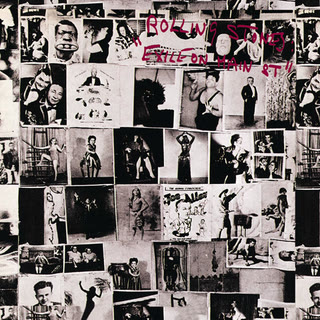
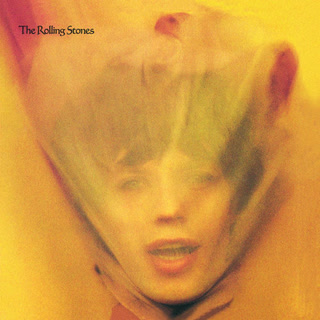
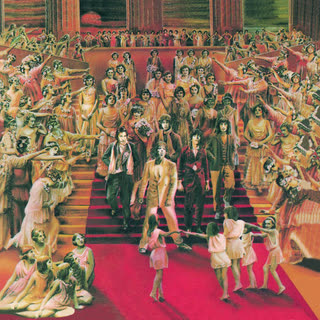
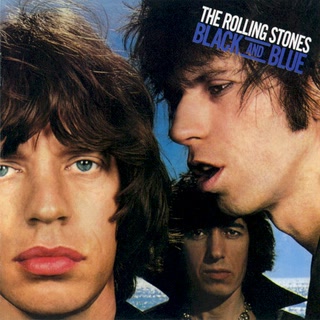
The second thing a tuner notices is the records themselves. Very few Rolling Stones albums sit exactly on A 440, and on the 1960s and early 1970s albums single songs wander 20 to 60 cents away from their neighbours. This page goes through every studio album from the 1964 debut to Hackney Diamonds (2023): the tuning of each song as the sources give it, what TuneLit measured on the CDs, the songs that break the pattern, and how to set it all up. Each song on the album pages has a Tune button that opens the tuner in that tuning, measured offset included.
Popular songs
How to tune for The Rolling Stones's best-known songs
Each song has its own page: the exact tuning, the record's pitch, how to get there string by string, and how to move the record into your own tuning.
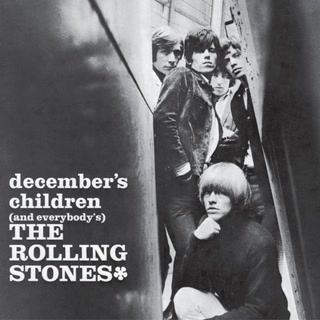
In the 1960s the Stones released different albums in the UK and in the US. This page follows the British albums, plus the three American albums that were never issued in Britain: 12 X 5 (1964), The Rolling Stones, Now! (1965) and December's Children (And Everybody's) (1965). They are official studio releases on London Records, and many songs from that time exist on no British album at all, so they are listed as studio albums here.
The Rolling Stones (1964) is the UK debut. The American edition, England's Newest Hit Makers, swaps Mona for Not Fade Away.
The Rolling Stones No. 2 (1965) is not in TuneLit's library. Almost all of its songs are on 12 X 5 and The Rolling Stones, Now!, where they are measured (Time Is on My Side in a different version).
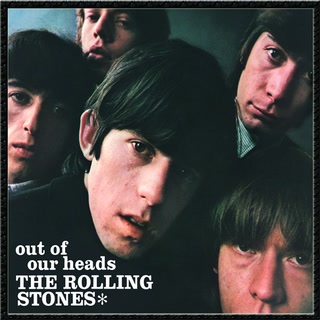
Out of Our Heads (1965) came out in two editions. This page uses the American one: it was released first, it is the one in TuneLit's library, and it holds Satisfaction, The Last Time and Play with Fire. The British edition, released in September, swaps six songs, and those six are on December's Children and Now!.
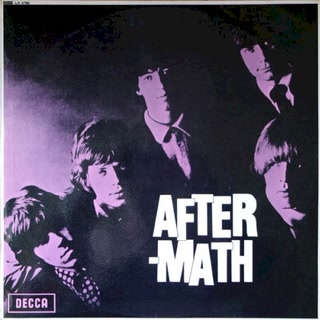
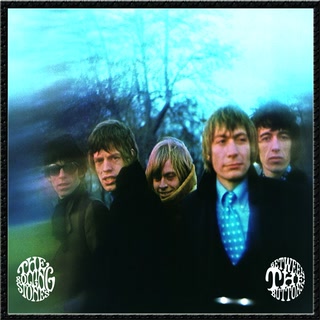
Aftermath (1966) and Between the Buttons (1967) are the British editions. Paint It Black, Ruby Tuesday and Let's Spend the Night Together were singles in Britain and are on none of the albums here.
From Their Satanic Majesties Request (1967) on, both countries got the same albums.
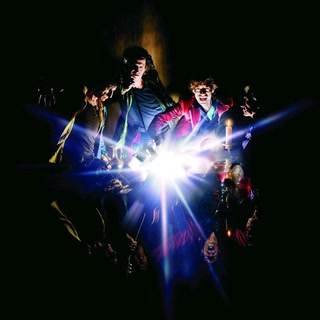
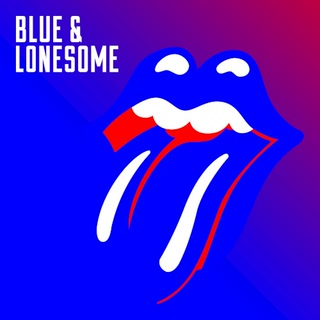
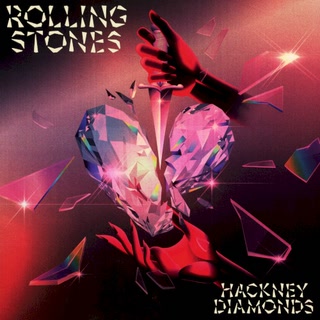
Compilations (Big Hits, Through the Past, Darkly, Hot Rocks and the rest) and live albums are left out. Blue & Lonesome (2016) and Hackney Diamonds (2023) are listed with their tabbed tunings but not measured: they are not in the library.
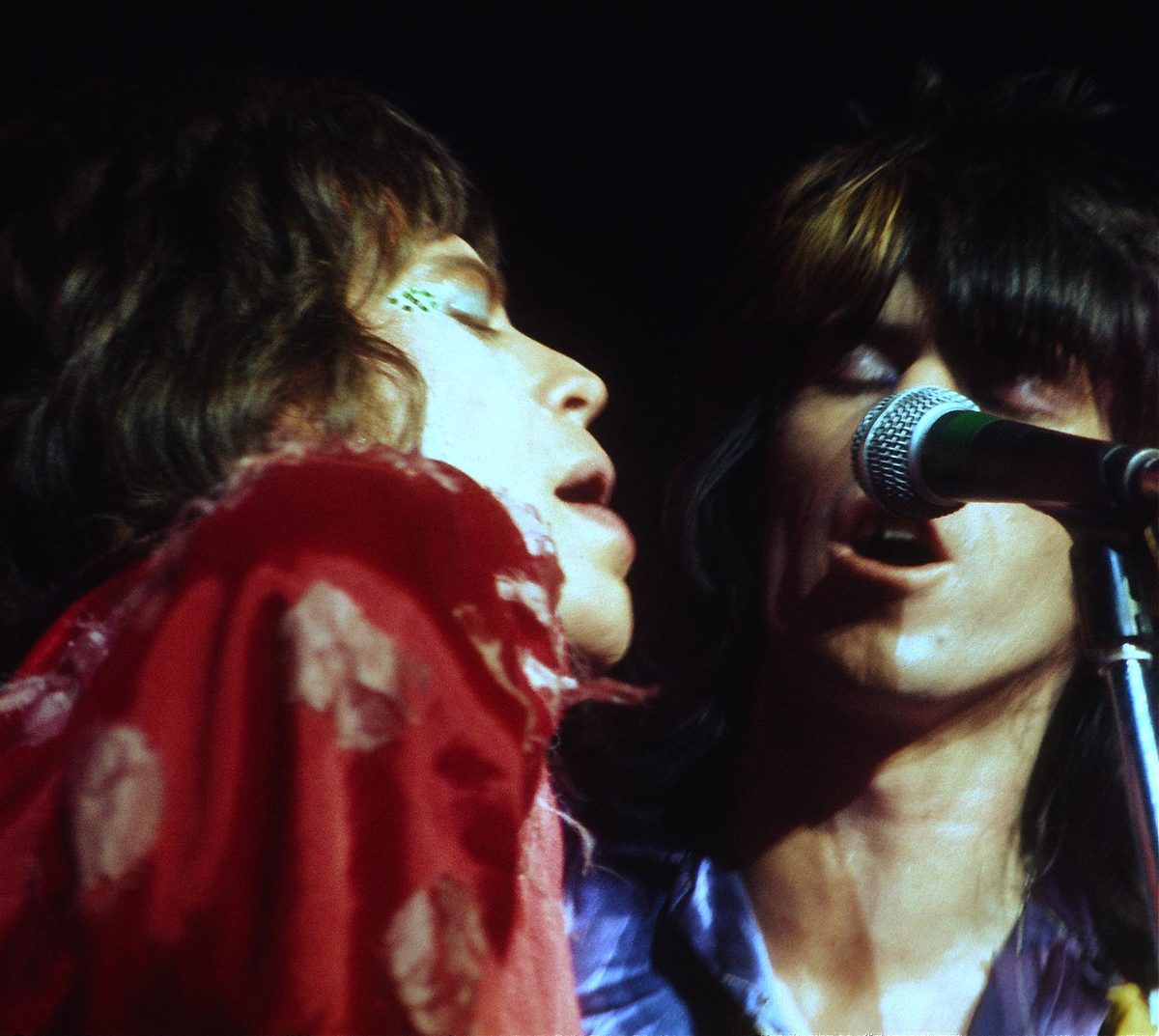
Mick Jagger and Keith Richards singing side by side at Winterland, San Francisco, during the Rolling Stones' North American tour of June 1972.
TuneLit lab
How we measured these records
TuneLit measured every song of 24 studio albums from the owner's CDs, ripped to lossless files in 2010. The files carry no catalogue numbers, so the pressings are worked out where the files allow it:
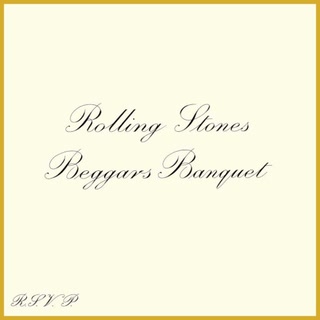
Beggars Banquet: the track times match ABKCO's 2002 remaster, the one that corrected a mastering error that had made the album run slightly slow for thirty years.
Exile on Main St.: the two-disc reissue of 2010. Only the first disc, the original album, is measured; the bonus disc is left out.
Tattoo You: a pressing with the full-length Slave (6:32), which first appeared on later CD editions.
Between the Buttons: the British track list, but this CD lacks Who's Been Sleeping Here?, and its fifth file, tagged as a second copy of Connection, is She Smiled Sweetly (its length matches the table of contents).
Bridges to Babylon: an edition with a live Angie added at the end, which we left out, as we did the short piano piece at the end of Dirty Work.
The method is the one behind every TuneLit band page. The estimator reads 90 seconds of each song, from 0:45, and compares the strongest notes with the equal-tempered grid. That gives the record's offset from A 440, known only within one semitone; which semitone the strings sit on comes from the tabs and sources, and a second check from the audio asks whether the lowest open string is really where the tuning says. A song gets its own value when it differs from its album by 8 cents or more with good confidence; the rest share the album's value. Anything within 4 cents of A 440 is shown as concert pitch. Other masterings of the same album can differ by a few cents, and the 1960s albums exist in several.
The story
Keith Richards's open tunings
Tuning
Strings, low to high
Songs here
Standard
E A D G B E
most songs of every era
Five-string open G
(no 6th) G D G B D
Brown Sugar, Can't You Hear Me Knocking, Rocks Off, Rip This Joint, Tumbling Dice (capo 4), Happy (capo 4), Before They Make Me Run, Start Me Up, Mixed Emotions, You Got Me Rocking
Open G, six strings
D G D G B D
Little Red Rooster (Brian Jones's slide), Sway and Moonlight Mile (Mick Jagger), Far Away Eyes
Open E
E B E G♯ B E
No Expectations, Jigsaw Puzzle, Prodigal Son, Salt of the Earth, Gimme Shelter, You Can't Always Get What You Want (disputed)
Open D
D A D F♯ A D
Street Fighting Man, Stray Cat Blues, You Got the Silver (capo 3)
Open C
C G C G C E
You Gotta Move (slide)
12-string, open G
D G D G B D in pairs
Wild Horses
D Standard
D G C F A D
High and Dry, What to Do
C Standard
C F B♭ E♭ G C
Good Times, Bad Times (12-string)
Open D and open E came first. Keith Richards told Guitar Player that he got into open D and used it on Beggars Banquet, Street Fighting Man included; in a 2005 Guitar World interview he described that song's guitars as a six-string and a five-string acoustic, both in open tunings with a lot of capo work, recorded through an overloaded cassette recorder. Open E is the same chord shape a whole step higher, and the tabs use it for the slide songs of 1968 and for Gimme Shelter.
Five-string open G took over in 1969. Keith tunes the guitar to open G (D G D G B D) and takes the low string off, so the bottom note is the G on String 5 and the bass player covers the low end. He has said the idea came from the five-string banjo, whose open strings make the same chord. Several of his Telecasters are set up this way. In open G a major chord is one finger across the strings, and the famous Keith moves, the suspended fourth and added sixth that rock against the major chord, fall under two fingers. That is why Start Me Up or Can't You Hear Me Knocking feel awkward in standard tuning.
To tune a six-string to five-string open G: lower String 5 from A to G, lower String 1 from E to D, keep Strings 4, 3 and 2 (D, G, B), and either take String 6 off or leave it and never play it. TuneLit's Tune buttons for these songs set the five strings G D G B D. If you keep a sixth string, tune it to D (that is ordinary open G) and avoid it in chords: on the record the lowest guitar note is G.
The story
Who plays what
Brian Jones (to 1969) plays rhythm and lead guitar in standard tuning on the early albums and slide in open tunings (open G on Little Red Rooster, open E on No Expectations). From 1966 he spends much of his time on other instruments: dulcimer on Lady Jane, marimba on Under My Thumb and Out of Time, sitar, Mellotron, vibraphone and recorder.
Mick Taylor (1969–1974) plays lead and slide, mostly in standard tuning, next to Keith's open G: the solos on Can't You Hear Me Knocking and Sway, the Nashville-tuned acoustic on Wild Horses (Strings 6 to 3 replaced by thinner strings an octave higher).
Ronnie Wood (from 1975) plays in standard tuning against Keith's open G on Start Me Up and Before They Make Me Run, and adds slide, lap steel and pedal steel.
Mick Jagger plays rhythm guitar on many songs, sometimes in open G (Sway, Moonlight Mile, Mixed Emotions).
When a song lists one tuning, it is the tuning of the part that defines the song, usually Keith's. The song notes name the other guitars when they are in a different tuning.
The story
What the records do to the pitch
The 1960s albums drift. The British debut sits about 15 cents flat (A ≈ 436.2), with Honest I Do down at A ≈ 427. 12 X 5 is about 9 cents flat, but Time Is on My Side runs 21 cents sharp. Out of Our Heads is 11 cents flat with Play with Fire nearly half a semitone down (A ≈ 427.7). Aftermath is the extreme: the album value is about 20 cents flat, but six of its songs measure 34 to 44 cents flat, and Stupid Girl and Under My Thumb 55 to 62 cents flat (A ≈ 425–426). Their Satanic Majesties Request goes the other way, about 12 cents sharp. The reason is not known: tape machines of the time did not run at exactly the same speed, and later transfers can shift a record too. What matters for playing along is that a guitar tuned to A 440 is audibly off on many of these songs, so the Tune buttons carry each song's own reference.
December's Children is suspiciously even. Nine of its twelve tracks measure within 2 cents of 14 cents flat, although they come from sessions a year apart. That points to the transfer or the mastering of this CD rather than to the band, but we cannot prove it from one copy.
Two speed changes are documented. Fingerprint File, the last song on It's Only Rock 'n Roll, was mastered faster than it was played, which moved it from B minor to C minor; the tab follows the record, in standard tuning with a capo at the 1st fret. Beggars Banquet was heard slightly slow for thirty years until ABKCO's 2002 remaster corrected it, and the CD we measured has that remaster's track times.
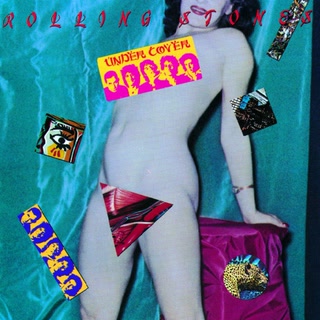
From 1974 the records settle down. It's Only Rock 'n Roll, Black and Blue, Undercover, Steel Wheels, Voodoo Lounge and A Bigger Bang sit at concert pitch or within 3 cents of it. Exile on Main St. is the sharp one at about 18 cents (A ≈ 444.5), and single songs still stray: Slave and No Use in Crying on Tattoo You about 28 cents sharp, Terrifying on Steel Wheels and I Go Wild on Voodoo Lounge 35 to 39 cents flat.
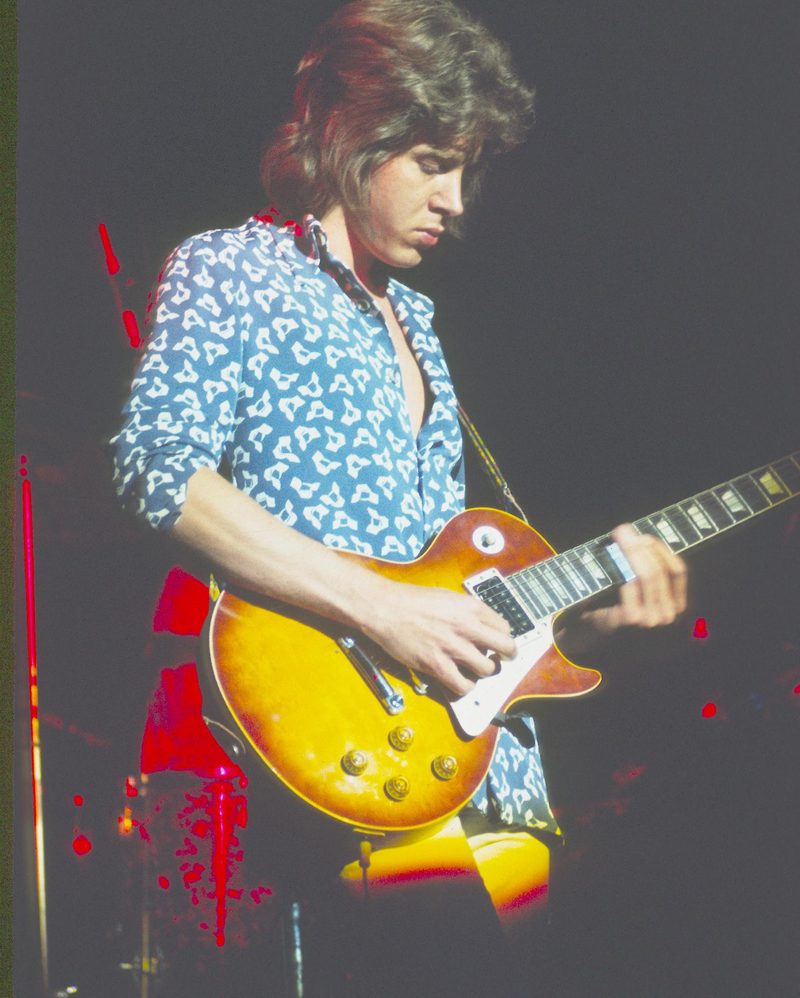
Mick Taylor with his Gibson Les Paul at Winterland, San Francisco, during the Rolling Stones' North American tour of June 1972.
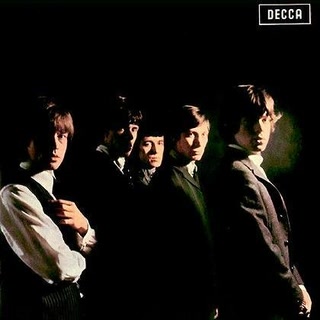
Covers of Chuck Berry, Bo Diddley, Jimmy Reed and Willie Dixon, plus Tell Me, the first Jagger and Richards song on an album. Everything is tabbed in standard tuning, Keith Richards and Brian Jones both on electric guitar, Keith on 12-string for Tell Me. The CD measures about 15 cents flat (A ≈ 436.2). Honest I Do is the outlier at about 53 cents flat (A ≈ 427), and Now I've Got a Witness and Can I Get a Witness sit near 25 cents flat. Tell Me could not be read with confidence; it may sit about 60 cents flat (see the last section).
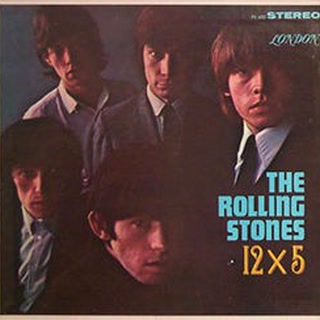
The second American album: the Five by Five EP recorded at Chess in Chicago plus singles and B-sides. Standard tuning, about 9 cents flat (A ≈ 437.8). Time Is on My Side, here in the version issued as the American single, runs 21 cents sharp (A ≈ 445.5). Good Times, Bad Times is the odd one: the only tab puts Keith's 12-string acoustic in C Standard, four half steps down, and TuneLit's check from the audio agrees that the lowest open string is a C.
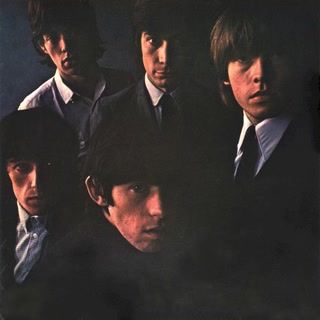
The second British album, not in TuneLit's library. Its songs are tabbed in standard tuning, and all but I Can't Be Satisfied are also on 12 X 5 or The Rolling Stones, Now!, where TuneLit measured them; 12 X 5 has Time Is on My Side in a different version. I Can't Be Satisfied has Brian Jones on bottleneck slide, tabbed in standard tuning.
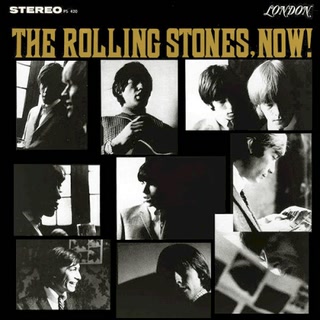
Standard tuning, about 7 cents flat (A ≈ 438.2), with single songs from 4 cents sharp (What a Shame) to 22 cents flat (Pain in My Heart). Little Red Rooster, the Willie Dixon blues that topped the British chart, is the exception in tuning too: Brian Jones's bottleneck part is tabbed in open G, and the record sits about 32 cents flat (A ≈ 431.9).
The American edition, with Satisfaction. Keith Richards played its riff through a then-new Gibson fuzz pedal, in standard tuning, and so is everything else here. The album measures about 11 cents flat (A ≈ 437.2). The Last Time and Good Times are about 32 cents flat, Play with Fire about 49 cents flat (A ≈ 427.7), half way to the next note: tune for it separately. Hitch Hike runs about 15 cents sharp. I'm Alright is a live recording.
An American album gathered from British tracks, singles and live recordings: Get Off of My Cloud, As Tears Go By, I'm Free. Standard tuning. The CD sits about 14 cents flat (A ≈ 436.4), and remarkably evenly so. Gotta Get Away is about 24 cents flat; one tab puts it in E♭ Standard, but the record's low notes fit E Standard. Route 66 and I'm Moving On are live.
The first album of all Jagger and Richards songs, and Brian Jones's most colourful: dulcimer on Lady Jane and I Am Waiting, marimba on Under My Thumb and Out of Time. The guitars are in standard tuning, except that the tabs put High and Dry and What to Do a whole step down (D Standard), which TuneLit's check from the audio confirms. Mother's Little Helper is built on a 12-string electric played with a slide.
This is the hardest album to tune to. The album value is about 20 cents flat (A ≈ 435), but the songs spread from concert pitch (Mother's Little Helper) to about 60 cents flat (Stupid Girl, A ≈ 425): Flight 505 and I Am Waiting about 44 cents flat, Out of Time 40, Think 37, Doncha Bother Me 36; Goin' Home and High and Dry only about 10 cents flat. Use each song's own button.
Standard tuning; Brian Jones is mostly on vibraphone, banjo, kazoo and other instruments. The album measures at concert pitch, with low confidence, since several songs give no clear reading. Connection runs about 13 cents sharp, Something Happened to Me Yesterday about 47 cents flat (A ≈ 428.2). Our CD lacks Who's Been Sleeping Here?, so that song is not measured.
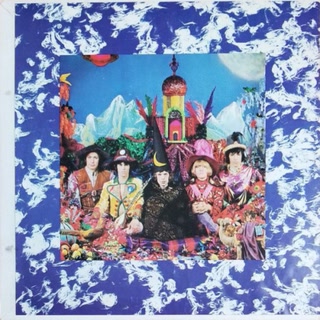
The psychedelic album, with Mellotron, strings and studio sound in front of the guitars, all in standard tuning. It measures about 12 cents sharp (A ≈ 443.0), one of the few early albums above A 440. She's a Rainbow and In Another Land sit at concert pitch, Citadel about 17 cents flat.
The turning point. Sympathy for the Devil, Dear Doctor and Factory Girl are in standard tuning, but the acoustic songs bring Keith Richards's first open tunings: open D for Street Fighting Man and Stray Cat Blues, open E for Prodigal Son and Salt of the Earth, and Brian Jones's slide in open E on No Expectations. The album measures about 9 cents flat (A ≈ 437.7). Street Fighting Man sits about 36 cents flat (A ≈ 431), Jigsaw Puzzle and Prodigal Son about 8 and 11 cents sharp.
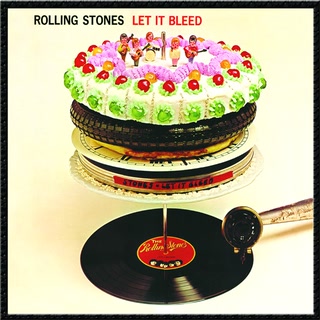
Keith Richards plays most guitars, Mick Taylor appears on Country Honk and Live with Me, Brian Jones on two songs. Gimme Shelter is in open E, You Got the Silver in open D with a capo at the 3rd fret, Let It Bleed and Love in Vain in standard tuning with a capo at the 3rd fret, Midnight Rambler in standard tuning with its slide on an open-E 12-string. You Can't Always Get What You Want is disputed: MusicRadar names open E, the most-viewed tab open G with a capo at the 5th fret.
The album sits at concert pitch. Country Honk runs about 19 cents sharp and Live with Me 12 cents sharp, Midnight Rambler about 19 cents flat.
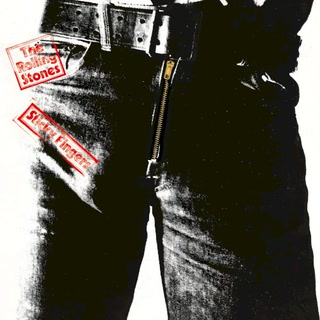
The first album of five-string open G. Brown Sugar and Can't You Hear Me Knocking are Keith Richards's open G riffs, with Mick Taylor in standard tuning beside him. Wild Horses is an open-tuned 12-string (Keith wrote that he strung it five-string style, so ten strings) with Taylor's Nashville-tuned acoustic. Sway and Moonlight Mile have Mick Jagger in six-string open G, You Gotta Move a slide in open C. Bitch, Dead Flowers and I Got the Blues are standard tuning.
The CD measures about 11 cents flat (A ≈ 437.1). Bitch and I Got the Blues sit lower, about 20 to 24 cents flat; Sister Morphine is at concert pitch.
Recorded largely in the basement of Keith Richards's rented villa in the south of France, where the heat made it hard to keep guitars in tune. Most songs are tabbed in standard tuning; Rocks Off, Rip This Joint (capo 2), Tumbling Dice and Happy (both capo 4) are five-string open G. Sweet Virginia uses a capo at the 2nd fret, Let It Loose a capo at the 3rd.
The album measures about 18 cents sharp (A ≈ 444.5), and most of the rock songs sit there: Rocks Off, Tumbling Dice, Torn and Frayed, Loving Cup, All Down the Line, Soul Survivor. Another group sits near concert pitch (Casino Boogie, Ventilator Blues, Let It Loose, Stop Breaking Down, Shine a Light), and three songs go well below: Sweet Virginia about 12 cents flat, Happy about 16 cents flat and Sweet Black Angel about 33 cents flat. Happy is about 34 cents below Tumbling Dice although both use the same tuning and capo, so retune between them.
All standard tuning in the tabs, Angie included. The album sits about 10 cents flat (A ≈ 437.4). Coming Down Again runs about 17 cents sharp, Hide Your Love at concert pitch, Winter about 22 cents flat. Star Star sits about 55 cents flat (A ≈ 426), right in the middle between two notes; see the last section.
Standard tuning and concert pitch, Mick Taylor's last album. The title song has Ronnie Wood on 12-string acoustic. Fingerprint File was mastered faster than it was played; the tab follows the record with a capo at the 1st fret, and it measures about 13 cents flat.
Made while the band tried out guitarists after Mick Taylor left: Harvey Mandel, Wayne Perkins and Ronnie Wood all play on it. Standard tuning in the tabs, concert pitch on the CD. Cherry Oh Baby is about 14 cents flat, Melody about 12 cents sharp. Hand of Fate may have Keith Richards in open G (Margotin and Guesdon's suggestion), but the tabs are in standard tuning.
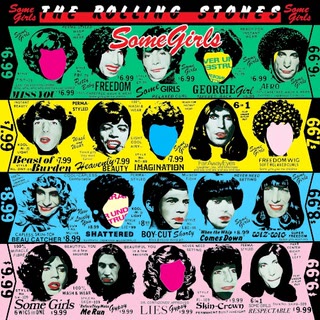
Ronnie Wood's first full album as a member. Miss You, Beast of Burden, Shattered and Respectable are tabbed in standard tuning. Before They Make Me Run, which Keith Richards sings, is his five-string open G; Far Away Eyes has an open G slide and electric guitar over a standard-tuned acoustic with a capo at the 1st fret. The CD is about 5 cents sharp (A ≈ 441.2); Shattered runs about 22 cents sharp.
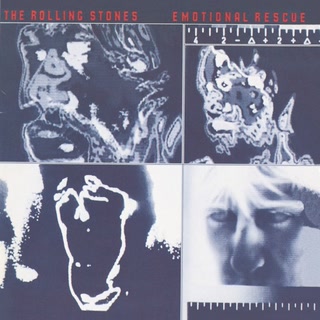
Few songs are tabbed, and those that are use standard tuning. The album measures about 8 cents flat (A ≈ 437.9), with songs spread from about 22 cents flat (Summer Romance, She's So Cold) to 15 cents sharp (Send It to Me).
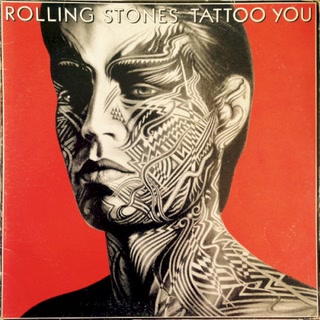
Mostly finished outtakes from 1972 to 1980. Start Me Up is the classic five-string open G riff, with Ronnie Wood in standard tuning; the rest is tabbed in standard tuning, with an open G second guitar on Black Limousine and Waiting on a Friend. The album is about 7 cents sharp (A ≈ 441.7). The older backing tracks show: Slave, from the Black and Blue sessions, and No Use in Crying, from the Emotional Rescue sessions, both run about 28 cents sharp.
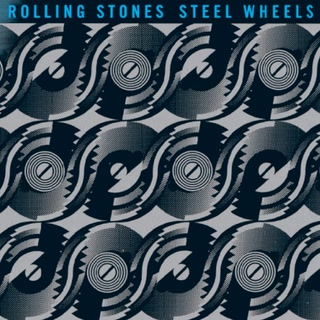
Concert pitch. Mixed Emotions is in open G: Keith Richards and Mick Jagger in open G, Ronnie Wood in standard tuning. Terrifying is the outlier at about 39 cents flat (A ≈ 430.1), Break the Spell about 12 cents sharp.
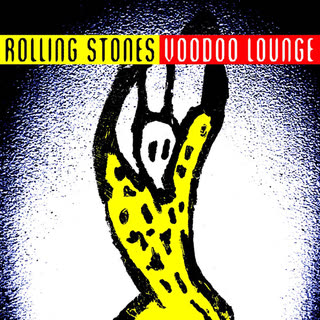
Concert pitch, standard tuning except You Got Me Rocking (open G, with Ronnie Wood's slide in another open G tuning). I Go Wild sits about 35 cents flat (A ≈ 431.2).
Not in TuneLit's library, so not measured. Blue & Lonesome is a set of Chicago blues covers, tabbed in standard tuning. On Hackney Diamonds, Angry and Bite My Head Off are tabbed in standard tuning; the other songs have no tab yet, so they are listed in standard tuning until a source says otherwise.
The story
Playing along
Open the song, not the album. On the albums up to 1973 the songs differ by 20 to 60 cents; the album button is only right for the songs that share its value.
For the five-string songs, tune five strings. G D G B D from String 5 to String 1. With a capo (Tumbling Dice, Happy) tune first, then put the capo on and check again, since a capo pulls strings sharp.
Mind which part you play. On Brown Sugar, Start Me Up or Can't You Hear Me Knocking the second guitar is in standard tuning; if you play Mick Taylor's or Ronnie Wood's part, use a guitar in standard tuning at the same reference A.
The 12-string parts (Wild Horses, Mother's Little Helper, Good Times, Bad Times) can be played on a six-string in the same tuning; you lose the octave shimmer, not the notes.
Tabs in standard tuning for open G songs exist for Brown Sugar and Start Me Up. They play the notes, but not the open-string drones that make the sound.
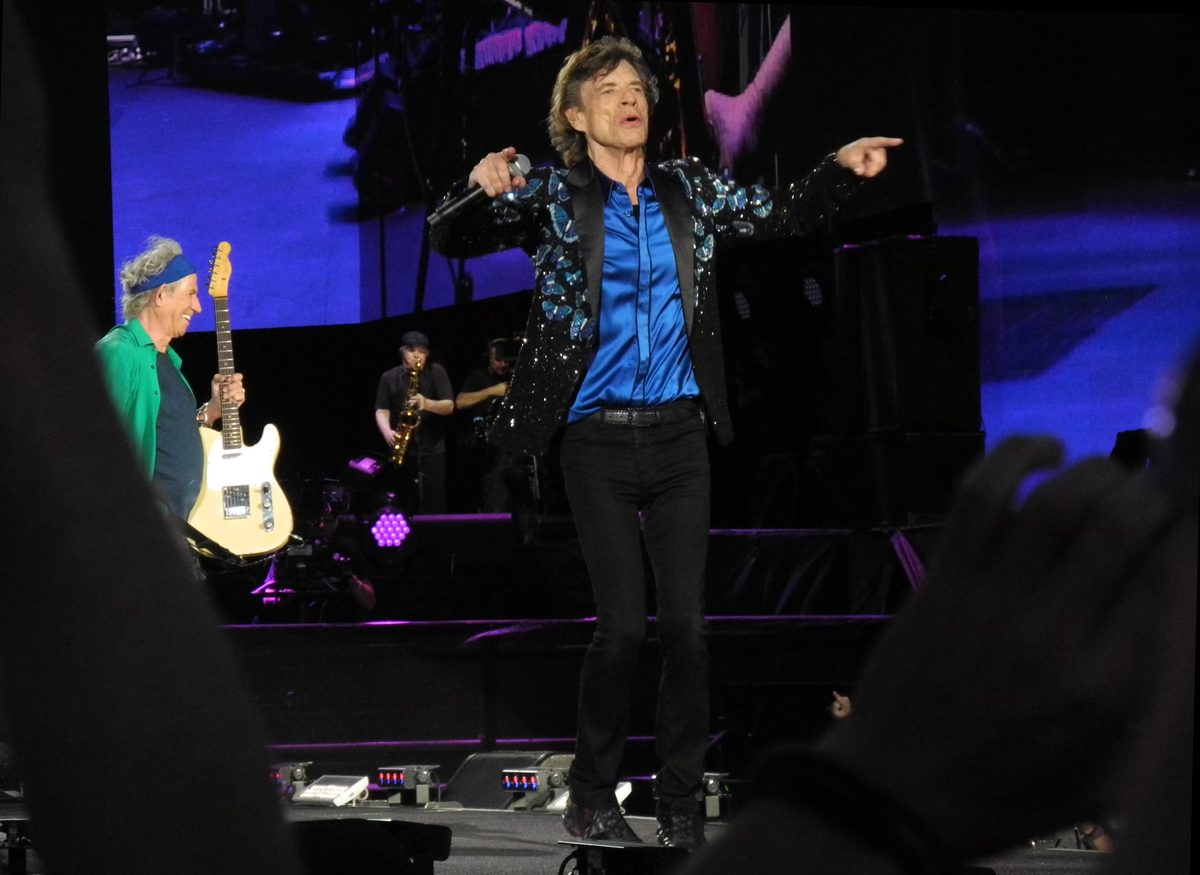
Mick Jagger singing at the front of the stage in Hyde Park, London, on 13 July 2013, with Keith Richards and his Telecaster on the left.
The story
Songs worth a second listen
Tell Me (1964): its own reading was not confident enough to use, so the button carries the album's 15 cents flat. The reading points to about 60 cents flat, and the check from the audio hears the low string a half step lower than E Standard would put it: possibly E♭ Standard about 60 cents flat (A ≈ 425). A low-viewed tab also says E♭.
Star Star (1973): stored as E Standard 55 cents flat (A ≈ 426). The check from the audio hears the lowest string a half step below that, which would make it E♭ Standard 55 cents flat, but no tab or source says E♭, so it is unchanged.
Sweet Black Angel (1972): the measurement alone could not tell E Standard 33 cents flat from F Standard 67 cents sharp; the check from the audio and the tab agree on E, so it is stored that way.
You Can't Always Get What You Want (1969): open E or open G with a capo at the 5th fret; both play the song in C.
Happy (1972): five-string open G with a capo at the 4th fret, as tabbed. With the capo on, the guitar never sounds its open G, so the check from the audio cannot confirm the tuning.
Congratulations (1964) and Mona (1964, also on Now!) gave readings near 54 and 31 cents flat, below the confidence the Tune buttons need; they use their album's value.
Questions
What tuning does The Rolling Stones use?
Mostly E Standard: 27 of 27 albums. Many albums also have songs in other tunings, and the album pages list them song by song.
Why does The Rolling Stones sound out of tune when I play along?
Some records are not at concert pitch. Aftermath sits about 20 cents flat (A ≈ 435); Exile on Main St. sits about 18 cents sharp (A ≈ 445); The Rolling Stones sits about 15 cents flat (A ≈ 436). A guitar tuned to A 440 clashes with them. Every Tune button on these pages sets the measured pitch for you.
How did TuneLit measure The Rolling Stones's records?
We played original CDs and LPs through TuneLit's pitch analysis: the strongest notes of each song are compared with the A 440 grid, which gives the offset in cents. That cannot tell the semitone, so the tuning name comes from interviews, the press and tabs, and for 1 song from TuneLit's semitone check from the audio, backed by a tab or source. The audio is never stored or published.
Colors and font
Font
Colors
Menu
Install the app
Android (Chrome): menu ⋮ → Install app or Add to Home screen.
Computer (Chrome, Edge): the install icon at the right end of the address bar.
iPhone: Safari → Share → Add to Home Screen.
It opens full screen and keeps tuning with no connection.