GB · 1975– · 18 albums

Iron Maiden tunings.

E Standard on every album: the 1980 debut runs about 22 cents sharp, and just two later songs are in Drop D.

See the albums Read the story

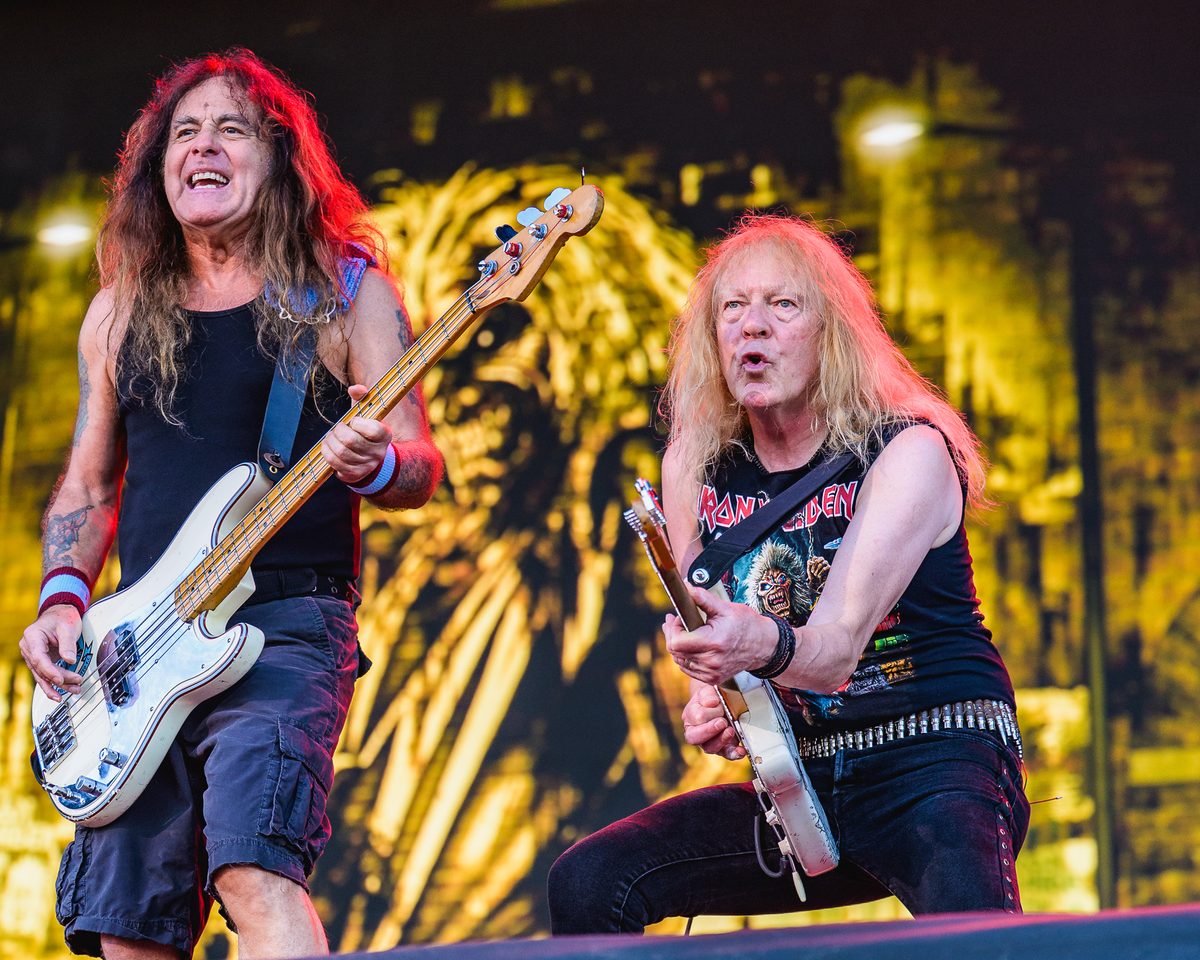
Steve Harris and Dave Murray on stage with Iron Maiden at Tons of Rock, Oslo, 25 June 2026.

In short

How Iron Maiden tunes

Iron Maiden have played in plain E Standard for their whole recording career: two guitars, three from 1999, with Steve Harris's four-string bass in E A D G, no tuning down and no extended-range guitars. Songsterr tabs every song of the seventeen studio albums that way, and TuneLit's check from the audio agrees on 146 of the 162 songs it read.

Read more

Only two songs drop the low string to D, The Legacy (2006) and If Eternity Should Fail (2015), and a couple of acoustic intros use D-based tunings. TuneLit measured every studio album from the owner's CDs. The 1980 debut sits about 22 cents sharp (A ≈ 445.7), with Running Free alone at concert pitch; Piece of Mind is about 8 cents sharp; Killers to No Prayer for the Dying sit 2 to 6 cents high; and from Fear of the Dark (1992) on every album is within 4 cents of A 440. Reissues and remasters mostly play at the same speed, but the 1998 remaster of Powerslave runs about 15 cents sharper than the 1995 CD.

Album tunings

  • E Standard18 albums

Plus the songs that break the pattern, and the pitch of each record.

18 albums · 165 songs

Pick an album

Each album shows its tuning and how far the record sits from A 440. Open it for every song and a Tune button.

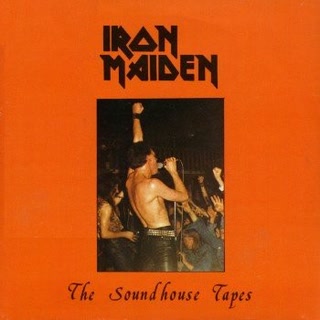
  1. The Soundhouse Tapes album cover 1979EP The Soundhouse Tapes E Standard A 440 From tabs · not measured All 3 songs in this tuning
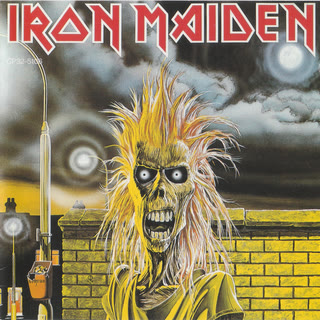
  2. Iron Maiden album cover 1980Studio album Iron Maiden E Standard +22 ¢ +22 ¢ · A ≈ 446 MeasuredCD +22.1 ¢ 1 song tuned differently
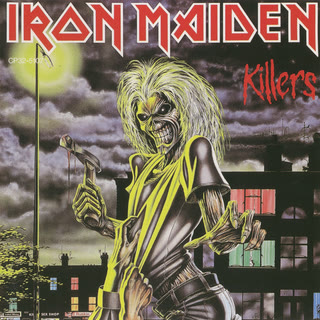
  3. Killers album cover 1981Studio album Killers E Standard A 440 MeasuredCD +3.7 ¢ All 10 songs in this tuning
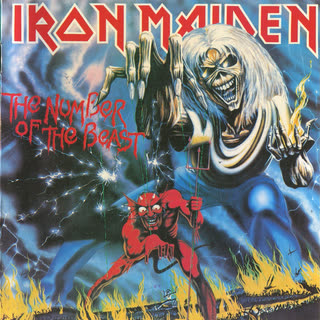
  4. The Number of the Beast album cover 1982Studio album The Number of the Beast E Standard A 440 MeasuredCD +1.8 ¢ 1 song tuned differently
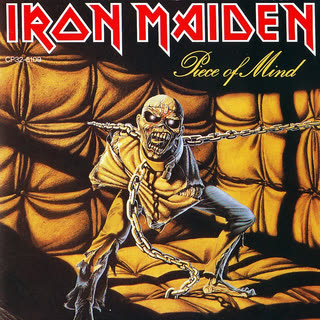
  5. Piece of Mind album cover 1983Studio album Piece of Mind E Standard +8 ¢ +8 ¢ · A ≈ 442 MeasuredCD +7.7 ¢ All 9 songs in this tuning
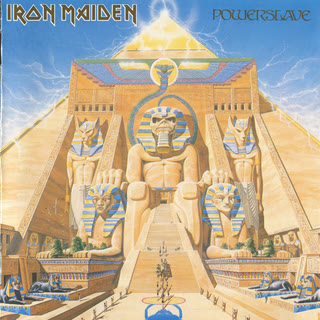
  6. Powerslave album cover 1984Studio album Powerslave E Standard +5 ¢ +5 ¢ · A ≈ 441 MeasuredCD +5.0 ¢ 1 song tuned differently
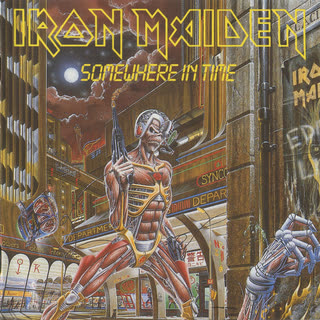
  7. Somewhere in Time album cover 1986Studio album Somewhere in Time E Standard A 440 MeasuredCD +0.2 ¢ All 8 songs in this tuning
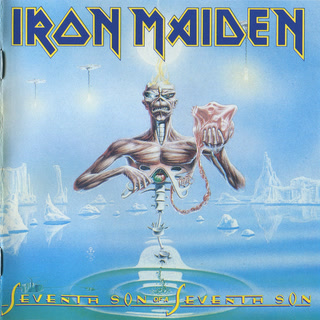
  8. Seventh Son of a Seventh Son album cover 1988Studio album Seventh Son of a Seventh Son E Standard +5 ¢ +5 ¢ · A ≈ 441 MeasuredCD +5.2 ¢ All 8 songs in this tuning
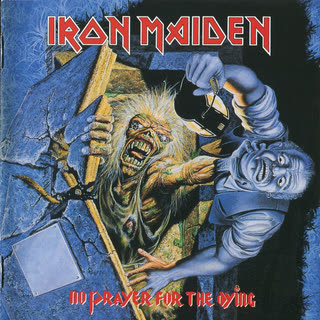
  9. No Prayer for the Dying album cover 1990Studio album No Prayer for the Dying E Standard +6 ¢ +6 ¢ · A ≈ 442 MeasuredCD +5.8 ¢ 1 song tuned differently
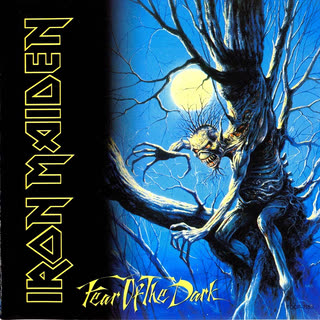
  10. Fear of the Dark album cover 1992Studio album Fear of the Dark E Standard A 440 MeasuredCD −1.2 ¢ All 12 songs in this tuning
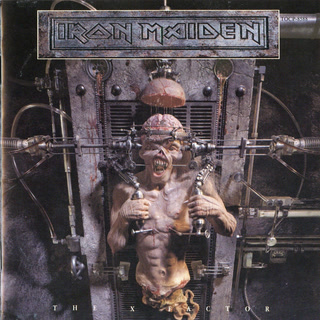
  11. The X Factor album cover 1995Studio album The X Factor E Standard A 440 MeasuredCD +0.2 ¢ All 11 songs in this tuning
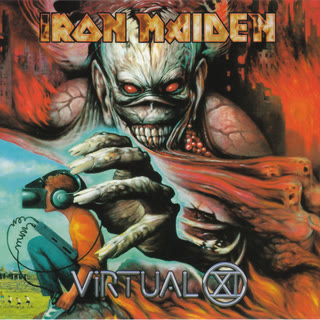
  12. Virtual XI album cover 1998Studio album Virtual XI E Standard A 440 MeasuredCD 0 ¢ All 8 songs in this tuning
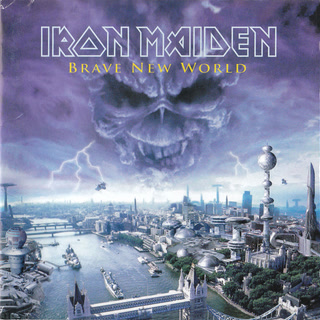
  13. Brave New World album cover 2000Studio album Brave New World E Standard A 440 MeasuredCD −0.8 ¢ All 10 songs in this tuning
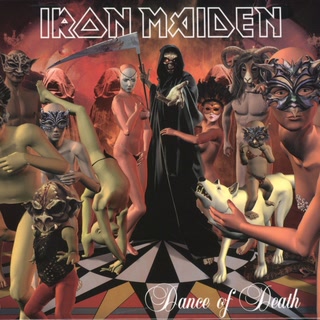
  14. Dance of Death album cover 2003Studio album Dance of Death E Standard A 440 MeasuredCD +0.2 ¢ All 11 songs in this tuning
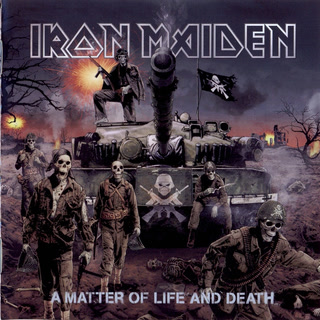
  15. A Matter of Life and Death album cover 2006Studio album A Matter of Life and Death E Standard A 440 MeasuredCD +0.6 ¢ 2 songs tuned differently
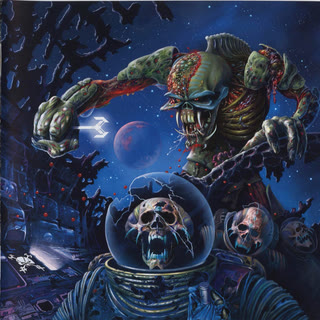
  16. The Final Frontier album cover 2010Studio album The Final Frontier E Standard A 440 MeasuredCD +2.0 ¢ All 10 songs in this tuning
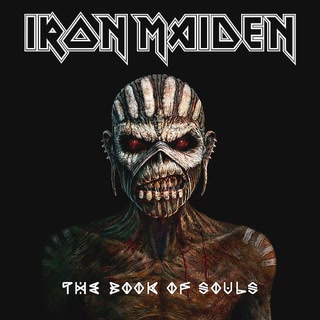
  17. The Book of Souls album cover 2015Studio album The Book of Souls E Standard A 440 MeasuredCD +3.9 ¢ 2 songs tuned differently
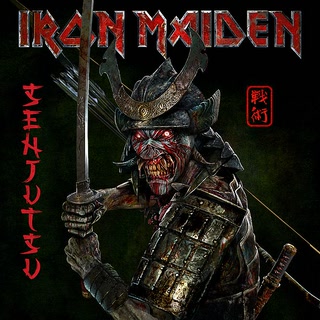
  18. Senjutsu album cover 2021Studio album Senjutsu E Standard A 440 MeasuredCD −3.1 ¢ All 10 songs in this tuning

The full story

Iron Maiden tunings, album by album

Iron Maiden are one of the friendliest bands on this site to tune for. Steve Harris writes on a four-string bass, the guitarists double his lines or harmonise above them, and for close to fifty years the band has stayed in plain E Standard: no tuning down for weight, no seven-string guitars, no baritones. If your guitar is in E A D G B E, you can play along with almost the whole catalogue.

Almost. Two later songs drop the low string to D, a couple of acoustic intros use other tunings, and the records do not all sit at A 440. The 1980 debut runs about a fifth of a semitone sharp, and a handful of songs on other albums sit clearly above or below their neighbours. This page goes through every studio album from Iron Maiden (1980) to Senjutsu (2021), plus the 1979 Soundhouse Tapes EP: what the tabs say, what TuneLit measured on the owner's CDs, which songs differ, and how to set up. Every song on the album pages has a Tune button that opens the tuner in exactly that tuning, reference pitch included.
Popular songs

Each song has its own page: the exact tuning, the record's pitch, how to get there string by string, and how to move the record into your own tuning.

The story

One tuning, three guitars

From the first demo to Senjutsu the frame is the same. Harris plays his bass with the fingers, tuned E A D G, and it often carries the riff on its own. Two guitars in E Standard play the riff with him or harmonise above it, and since Bruce Dickinson and Adrian Smith returned in 1999 there have been three guitarists, Dave Murray, Adrian Smith and Janick Gers, still in one tuning. Songsterr's transcriptions of all seventeen studio albums put the guitars in E Standard and the bass in E A D G on every song, apart from the two Drop D songs and a few single parts and acoustic intros described below. TuneLit's check from the audio, which listens for the lowest open string, agrees on 146 of the 162 songs it could read.

A detail worth knowing before you play along: Harris often plays his E on the 7th fret of the A string rather than on the open E string. In the Songsterr bass parts of The Trooper and Hallowed Be Thy Name, close to four notes in ten are that fretted E. The low open E rings less often than you might expect, and in most of the famous riffs the guitars, too, live on the A and D strings.

Drop D arrived late, and mostly with Adrian Smith. He has said that producer Roy Z showed him the tuning during the couple of years they worked together in the late 1990s, on Bruce Dickinson's solo albums, and that he started using it in Iron Maiden after rejoining in 1999. On stage the band plays songs such as Run to the Hills and The Clairvoyant with his guitar in Drop D, and by his own account he is the only one in the band who does it: his bandmates were not keen. That is about the live show. The 1982 and 1988 recordings of those songs are in E Standard like everything else, and on the studio albums his Drop D appears only in single parts: a rhythm guitar in a tab of Ghost of the Navigator, the acoustic intro of The Writing on the Wall. Two songs go all the way. The Legacy (2006) has every guitar part in Drop D in both of its tabs, and If Eternity Should Fail (2015) was reported by Loudwire as the band's first song recorded in Drop D, guitars and bass together.

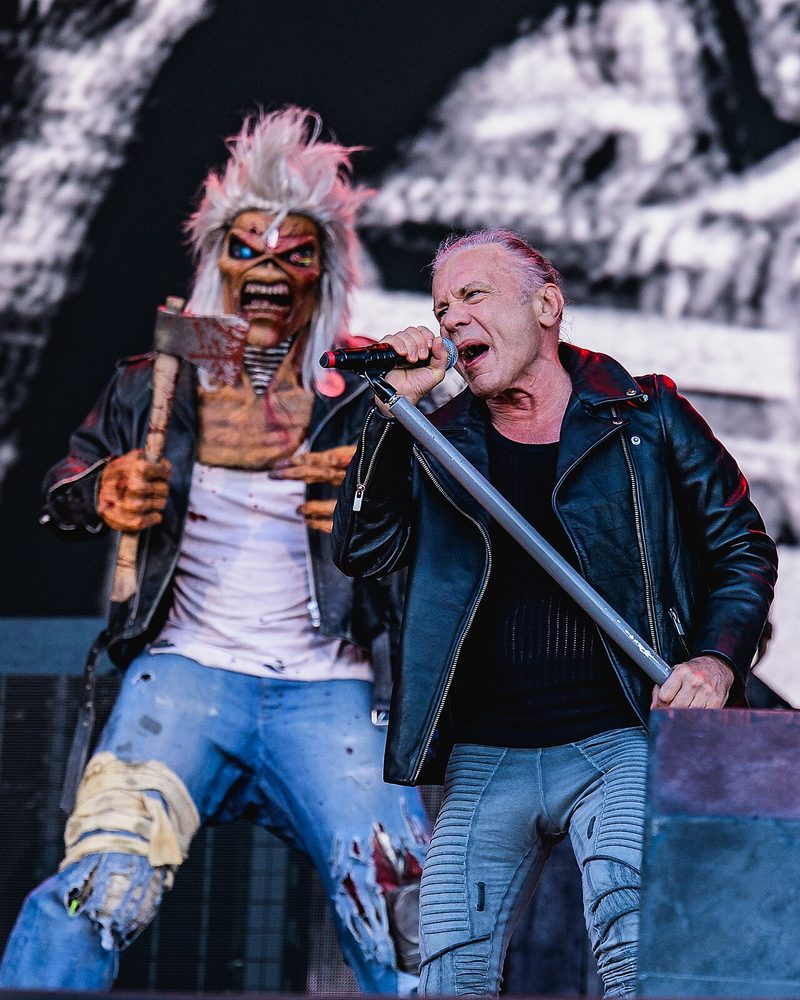
Bruce Dickinson singing beside Eddie, the band's mascot, as Iron Maiden headlined Tons of Rock in Oslo, Norway, on 25 June 2026.

The story

Where TuneLit's numbers come from

TuneLit measures records from its owner's own collection, and for Iron Maiden that collection is deep. The primary source for each album is the earliest CD pressing in the library:

  • Iron Maiden, Killers and Piece of Mind: the first Japanese CD pressings (Toshiba EMI CP32-5106, CP32-5107 and CP32-5109).
  • Fear of the Dark: the original 1992 Japanese CD (Toshiba EMI TOCP-7155).
  • The Number of the Beast, Powerslave, Somewhere in Time, Seventh Son of a Seventh Son and No Prayer for the Dying: the album discs of the 1995 two-CD reissues. Their bonus discs of B-sides were not measured.
  • The X Factor to Senjutsu: one CD edition each, from the years the albums came out. The Book of Souls and Senjutsu are double albums, and both discs count.

The other editions in the library are cross-checks, never sources: the 1995 reissues of Iron Maiden, Killers, Piece of Mind and Fear of the Dark, and a selection of songs from the 1998 and 2015 remasters. Every edition is measured the same way, so one that plays at a different speed shows up as a different offset. Most do not; the exceptions are under "Reissues and remasters" below.

The method in short: TuneLit reads 90 seconds of each song and works out how far its notes sit from the A 440 grid. That gives the offset in cents, a hundredth of a semitone, but only within one semitone, so which note the strings are on comes from the tabs, checked against the audio. Offsets within 4 cents count as concert pitch, a song gets its own value when it differs from its album by 8 cents or more, and near A 440 one hertz is about 4 cents. A measurement hears the result only: it cannot tell a tape that ran fast from a guitar tuned high. For playing along that makes no difference, since you match the record either way.

The story

The pitch at a glance

AlbumYearTuningMeasuredEquivalent A
The Soundhouse Tapes (EP)1979E Standardnot measured–
Iron Maiden1980E Standard+22 ¢ (Running Free 0 ¢)A ≈ 445.7
Killers1981E Standard+4 ¢A ≈ 440.9
The Number of the Beast1982E Standard+2 ¢ (Gangland +17 ¢)A ≈ 440.5
Piece of Mind1983E Standard+8 ¢A ≈ 442.0
Powerslave1984E Standard+5 ¢ (The Duellists −3 ¢)A ≈ 441.3
Somewhere in Time1986E Standard0 ¢A 440
Seventh Son of a Seventh Son1988E Standard+5 ¢A ≈ 441.3
No Prayer for the Dying1990E Standard+6 ¢ (Mother Russia −9 ¢)A ≈ 441.5
Fear of the Dark1992E Standard−1 ¢A 440
The X Factor1995E Standard0 ¢A 440
Virtual XI1998E Standard0 ¢A 440
Brave New World2000E Standard−1 ¢A 440
Dance of Death2003E Standard0 ¢A 440
A Matter of Life and Death2006E Standard, The Legacy in Drop D+1 ¢ (Brighter Than a Thousand Suns +11 ¢)A 440
The Final Frontier2010E Standard+2 ¢A ≈ 440.5
The Book of Souls2015E Standard, If Eternity Should Fail in Drop D+4 ¢ (Shadows of the Valley −4.5 ¢)A ≈ 441.0
Senjutsu2021E Standard−3 ¢A ≈ 439.2

Read it this way: the debut is the one Iron Maiden album you must retune for. Piece of Mind at +8 cents is worth matching if you play the twin leads along with the record. Everything else sits within 6 cents of A 440, which few players will hear in a band mix, and from Fear of the Dark on the band is at concert pitch.

The story

The Soundhouse Tapes (EP, 1979)

The band's first release: three songs from a demo recorded at Spaceward Studios in Cambridge over 30 and 31 December 1978, with Paul Di'Anno singing, Dave Murray on guitar, Harris on bass and Doug Sampson on drums. The band pressed 5,000 copies on its own label in November 1979 and sold them by mail order, and the EP took its name from Neal Kay's Bandwagon Soundhouse club, where the tape was first played. Songsterr's tabs of Iron Maiden, Prowler and Invasion are all in E Standard, though the first two follow the later album recordings. TuneLit has not measured the EP, so it is listed at concert pitch. Given how sharp the album that followed turned out to be, check the pitch by ear before you trust that.

The story

Iron Maiden (1980)

Recorded at Kingsway Studios in London in early 1980 with producer Wil Malone, and finished in about two weeks, the debut is the only album with Dennis Stratton as second guitarist. The tabs are unanimous: E Standard on guitars and bass. Phantom of the Opera, the album's centrepiece, builds its riffs on E, mostly on the A and D strings, with Harris doubling them.

Then the surprise. On the first Japanese CD the album sits about 22 cents sharp, an A of roughly 445.7. Prowler and Remember Tomorrow read 25 cents high, Phantom of the Opera and Transylvania 24, the title track 22, Charlotte the Harlot 17 and Strange World 14. Running Free is the odd one out, at concert pitch (+0.2 ¢). It was the first single, released in February 1980 while the album was still being mixed. The measurement cannot say why it differs, only that it does, on both CD editions in the library.

Is the offset on the CD or on the tapes? Every edition here agrees. The 1995 reissue reads within about a cent of the Japanese CD on all eight songs, the 1998 remaster has Charlotte the Harlot at +18.5 ¢, and the 2015 remaster has Prowler and Remember Tomorrow at about +18 ¢ and Strange World at +14 ¢. That remaster plays a touch slower on two songs, by about 6 cents, but nothing in the library brings the album down to A 440. Whether the tape ran fast or the band tuned high, a guitar at A 440 sounds flat against this record, and on the harmony lines of Phantom of the Opera you will hear it.

How to tune: E Standard with the reference at about A 445.7 (the Tune button sets +22 ¢), and plain A 440 for Running Free. Sanctuary, a single that the US edition and later CDs added to the album, was not on the original UK track list and is not listed here. On the 1995 reissue it reads well below the rest of the album, about 21 cents under A 440, so if your copy has it, tune it separately.

The story

Killers (1981)

Adrian Smith replaced Stratton, Martin Birch began a run as producer that lasted until 1992, and Paul Di'Anno sang his last Iron Maiden album, recorded at Battery Studios in London. Every tab is in E Standard. Wrathchild opens on Harris's bass riff on E, and the guitars answer on the same E, on the open low string and at the A string's 7th fret.

The first Japanese CD reads about 4 cents sharp (A ≈ 440.9), which counts as concert pitch. The songs range from +1 ¢ (Innocent Exile) to +9 ¢ (Genghis Khan, at lower confidence). The 1995 reissue reads within a cent of the Japanese disc. The 1998 and 2015 remasters read about 4 cents lower on every song measured, which means they play about a quarter of a percent slower: no reason to retune, but a sign the transfers differ. Twilight Zone, added to the US edition and later CDs, was not on the original UK album.

How to tune: E Standard at A 440.

The story

The Number of the Beast (1982)

Bruce Dickinson's first album and drummer Clive Burr's last, again with Birch at Battery Studios. Tabs: E Standard throughout. The title track and Run to the Hills sit around D, A, G and C on the A and D strings and hardly touch the open low E; Hallowed Be Thy Name comes back down to E.

The library has no earlier CD than the 1995 reissue, which reads about 2 cents sharp, concert pitch. The songs agree within a few cents of each other, except Gangland, about 17 cents sharp (A ≈ 444.2) and 15 cents above the rest. It was a late arrival: the band had to choose between Gangland and Total Eclipse for the B-side of Run to the Hills, and Gangland went on the album. The 2015 remaster reads within about 2 cents of the 1995 CD on Children of the Damned and Run to the Hills; the 1998 remaster's The Prisoner reads 9 cents lower, a single song.

How to tune: E Standard at A 440; Gangland at +17 ¢.

The story

Piece of Mind (1983)

Nicko McBrain's first album, recorded at Compass Point Studios in Nassau, the Bahamas. E Standard on every tab. The Trooper is the textbook Iron Maiden gallop: Harris on the E at the A string's 7th fret, the guitars on E and B above him, then the twin lead.

The first Japanese CD sits about 8 cents sharp (A ≈ 442.0), the sharpest album after the debut. Die with Your Boots On reads +12 ¢, Still Life +11, The Trooper +10, Where Eagles Dare, Revelations, Flight of Icarus and Quest for Fire +7 to +8, Sun and Steel +5 and To Tame a Land +2. The 1995 reissue matches the Japanese CD song for song (median difference 0.0 ¢). One curiosity of that Japanese pressing: it puts the short backwards message that opens Still Life on a track of its own, so its track numbers run one ahead from there on.

How to tune: E Standard +8 ¢. Eight cents is small on a riff, but on the harmony leads of The Trooper it is the difference between a clean third and a slight rub.

The story

Powerslave (1984)

Back to Nassau for an album that opens with Aces High and 2 Minutes to Midnight and closes with the thirteen-minute Rime of the Ancient Mariner. All E Standard. The Rime leans hard on the open low E: in its Songsterr tab about a quarter of both guitar parts' notes are that open string, mostly palm-muted.

The 1995 CD reads about 5 cents sharp (A ≈ 441.3), most songs between +4 and +9 ¢. The Duellists is the exception at concert pitch (−3 ¢), and the 2015 remaster shows the same gap (−4 ¢ against about +6 ¢ for its other songs), so it gets its own value. The 2015 remaster otherwise plays at the 1995 CD's speed. The 1998 remaster does not: its Powerslave reads about 19 cents sharp, 15 cents above the 1995 CD, and its Back in the Village reads high as well, at low confidence. That edition also moved the intro of the title track onto the end of Back in the Village.

How to tune: E Standard +5 ¢, The Duellists at A 440. With the 1998 remaster, tune about 15 cents higher still.

The story

Somewhere in Time (1986)

The first Iron Maiden album with guitar synthesisers, recorded at Compass Point and at Wisseloord in the Netherlands. Wasted Years, written by Adrian Smith, is the only song without them, and its intro is built on the open high E string. Every tab is in E Standard: the synthesisers are played from the band's normal guitars.

The 1995 CD sits within a cent of A 440, and every song within 6 cents: concert pitch, the most even of the 1980s albums. The 1998 and 2015 remasters agree.

How to tune: E Standard at A 440.

The story

Seventh Son of a Seventh Son (1988)

Recorded at Musicland Studios in Munich, with keyboards played by band members and the engineer rather than a hired player, and Adrian Smith's last album before he left in 1990. All E Standard.

The 1995 CD reads about 5 cents sharp (A ≈ 441.3), and few Iron Maiden albums are this even: five of the eight songs read between +4 and +6 ¢, Moonchild lowest at +1.5 and The Evil That Men Do highest at +7. The 1998 and 2015 remasters agree within 3 cents on the songs measured, apart from one reading of the title track on the 1998 remaster that no other song supports.

How to tune: E Standard +5 ¢.

The story

No Prayer for the Dying (1990)

Janick Gers's first album, recorded at Steve Harris's Barnyard studio in Essex. E Standard throughout.

The 1995 CD reads about 6 cents sharp (A ≈ 441.5), but the songs spread more than usual: Holy Smoke, Hooks in You and the title track sit close to A 440 (−2 to +1 ¢), while Tailgunner, Public Enema Number One and Fates Warning read +7 to +9 ¢. Mother Russia is clearly lower, about 9 cents flat (A ≈ 437.7), and the 2015 remaster confirms it (−9.5 ¢). That remaster otherwise matches the 1995 CD.

How to tune: E Standard +6 ¢ for most of the album, or A 440 for the three songs near it; Mother Russia at −9 ¢.

The story

Fear of the Dark (1992)

Bruce Dickinson's last album before he left in 1993, recorded at Barnyard and co-produced by Harris and Birch. E Standard on every tab. The title track's riffs sit in D minor on the A and D strings, with B♭ on the A string's first fret, and barely use the open low E.

The original Japanese CD is at concert pitch (−1 ¢), the songs between −5 and +4 ¢. The 1995 reissue and the 2015 remaster read the same within about a cent. From here on, every Iron Maiden album is within 4 cents of A 440.

How to tune: E Standard at A 440.

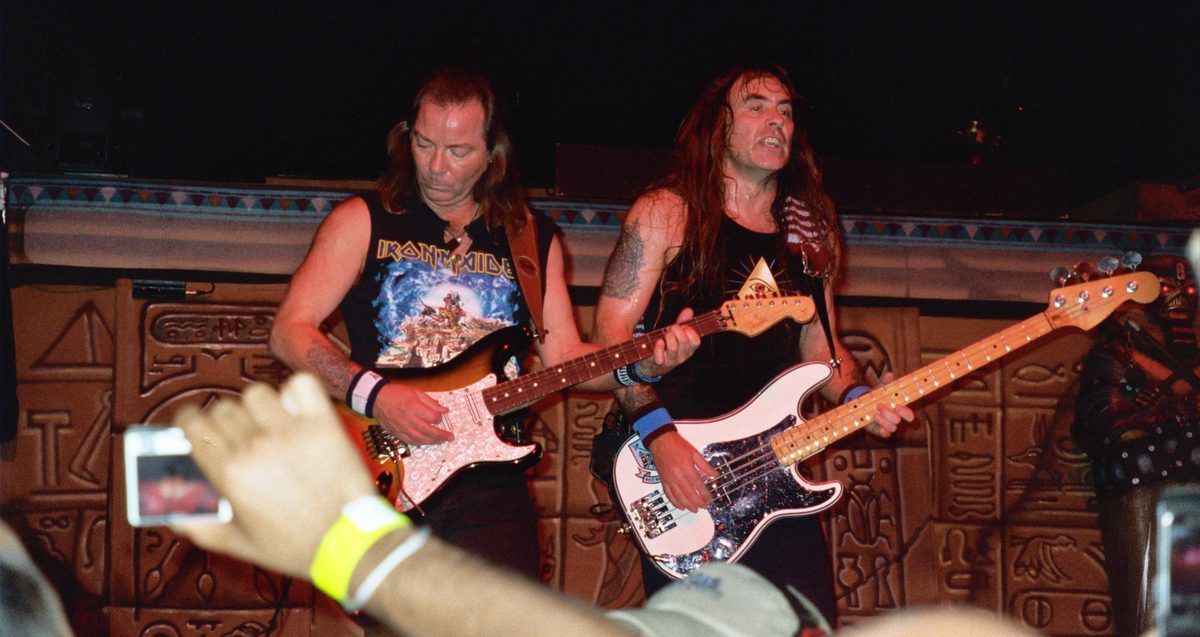
Dave Murray with his Stratocaster and Steve Harris with his Precision bass on the Somewhere Back in Time tour in Mansfield, Massachusetts, on 20 June 2008.

The story

The X Factor (1995) and Virtual XI (1998)

Blaze Bayley's two albums, both produced by Harris with Nigel Green at Barnyard. Every guitar tab is in E Standard. The one bass tab of Look for the Truth drops Harris's E string to D, with the guitars in E; nothing else backs that up, and TuneLit's check from the audio agrees with E for the song.

Both albums are at concert pitch. The X Factor's songs range from −6 ¢ (Fortunes of War) to +7 ¢ (The Aftermath) around a median of 0, and Virtual XI is about as exact as a record gets: every song within 3 cents of A 440. The 2015 remasters agree.

How to tune: E Standard at A 440.

The story

Brave New World (2000)

Dickinson and Smith are back, Gers stays, and Iron Maiden become a three-guitar band, recorded in Paris with producer Kevin Shirley. Every tab is in E Standard, with one exception that fits Smith's habit: one of the three guitar parts of Ghost of the Navigator, credited to him, drops the low string to D. The album is at concert pitch, every song within 2.5 cents, and the 2015 remaster agrees.

How to tune: E Standard at A 440. If you play Smith's part of Ghost of the Navigator from that tab, drop String 6 to D.

The story

Dance of Death (2003)

Recorded at Sarm West in London. E Standard at concert pitch, every song within 3 cents. Two notes: the Songsterr tab of Gates of Tomorrow puts two rhythm parts in Drop D and the lead in E Standard, and TuneLit's check from the audio is not sure about that song's low string, so check it by ear. Journeyman closes the album on acoustic guitars, all three tabbed in E Standard.

The story

A Matter of Life and Death (2006)

Recorded at Sarm West and released without mastering, because Harris wanted it to sound as it did in the studio. The album sits at concert pitch (+1 ¢), with one song well above it: Brighter Than a Thousand Suns, about 11 cents sharp (A ≈ 442.8).

The Legacy is the first Iron Maiden song tabbed entirely in Drop D. Both Songsterr tabs put it there, with every electric part's low string on D, and the fuller one plays the acoustic intro in D A D G A D. TuneLit's check from the audio hears a low D, and no low E is among the song's strongest low notes, which fits the tabs. Loudwire's later report that If Eternity Should Fail was the band's first Drop D song does not match them. The 2015 remaster's version of The Legacy reads within 4 cents of the original CD.

How to tune: E Standard at A 440; Brighter Than a Thousand Suns at +11 ¢; The Legacy in Drop D at A 440.

The story

The Final Frontier (2010)

Recorded at Compass Point in Nassau and The Cave in Malibu. E Standard at concert pitch (+2 ¢), songs from about −6 ¢ (When the Wild Wind Blows) to +7 ¢ (El Dorado). The Talisman opens with two acoustic guitars that its Songsterr tab puts in D A D G A D; the band then comes in on E Standard, the tuning the Tune button gives. The 2015 remaster agrees with the CD.

The story

The Book of Souls (2015)

The band's first studio double album, recorded in Paris in late 2014. Empire of the Clouds runs about 18 minutes, with Bruce Dickinson on piano. The CDs read about 4 cents sharp (A ≈ 441.0), at the edge of what counts as concert pitch, with Tears of a Clown and Death or Glory at +9 and +7.5 ¢ and Shadows of the Valley a touch flat at −4.5 ¢, 8 cents below the rest.

If Eternity Should Fail opens the album in Drop D. Dickinson wrote it for a planned solo album, and Loudwire reported it as Iron Maiden's first song recorded in Drop D. In the Songsterr tab all three guitars drop the low string to D and Harris's bass drops its E string as well (D A D G). TuneLit's check from the audio hears the low D.

How to tune: E Standard at A 440 (or +4 ¢ if you want the last few cents); If Eternity Should Fail in Drop D, guitar and bass.

The story

Senjutsu (2021)

A double album recorded in Paris in early 2019. E Standard at concert pitch (−3 ¢), but the two discs differ a little: five of the six songs on the first sit 3 to 8 cents flat, Lost in a Lost World lowest at −8 ¢, while the four on the second sit within 5 cents of A 440. The Writing on the Wall opens on an acoustic guitar in Drop D (Songsterr's part credited to Smith, and Bonedo's transcription agrees) before the band comes in on E Standard. One of the five guitar parts in the tab of The Time Machine, credited to Murray, is in Drop D too.

How to tune: E Standard at A 440; for the intro of The Writing on the Wall, drop String 6 to D.

The story

Songs that differ from their album

  • Drop D: The Legacy (2006) and If Eternity Should Fail (2015, bass dropped too).
  • Acoustic intros in other tunings: The Talisman (D A D G A D) and The Writing on the Wall (Drop D); both continue in E Standard.
  • Single parts in Drop D in one tab: Ghost of the Navigator, Gates of Tomorrow, The Time Machine; and the bass of Look for the Truth.
  • Their own pitch: Running Free (0 ¢ on a +22 ¢ album), Gangland (+17 ¢), The Duellists (−3 ¢), Mother Russia (−9 ¢), Brighter Than a Thousand Suns (+11 ¢), Shadows of the Valley (−4.5 ¢).

The story

Reissues and remasters

The owner asked that every new measurement be checked against older editions, and Iron Maiden's library makes that easy. Most editions play at exactly the same speed:

  • The 1995 two-CD reissues of Iron Maiden, Killers, Piece of Mind and Fear of the Dark read within about a cent of the first Japanese CDs on every song (medians −1.2, −0.9, 0.0 and −0.2 ¢).
  • The 2015 remasters match the CDs within about 2 cents on The Number of the Beast, Powerslave, Somewhere in Time, Seventh Son, No Prayer for the Dying, Fear of the Dark, The X Factor, Virtual XI, Brave New World, Dance of Death and The Final Frontier.
  • The 1998 and 2015 remasters of Killers read about 4 cents lower on every song measured, and the 2015 remaster of the debut reads about 6 cents lower on Prowler and Remember Tomorrow (not on Strange World). Small differences, still far from A 440 on the debut.
  • The 1998 remaster of Powerslave is the clear exception: about 15 cents sharper than the 1995 CD on its title track. If that is your copy, tune to it, not to the album value.

The story

What the check from the audio says

TuneLit's semitone check listens for the lowest open string in each song. It agrees with the tabs on 146 of the 162 songs, including the low D of The Legacy and If Eternity Should Fail. On nine songs it leans a semitone higher, towards F: Deja-Vu, The Angel and the Gambler, Como Estais Amigos, Dream of Mirrors, Rainmaker, No More Lies, Journeyman, Mother of Mercy and The Writing on the Wall. No tab or source puts any Iron Maiden song in F, and that lean is the method's known weak spot, a song that rarely plays its open low string, so they stay in E Standard. Seven more songs got no clear answer, among them Gates of Tomorrow with its Drop D rhythm parts.

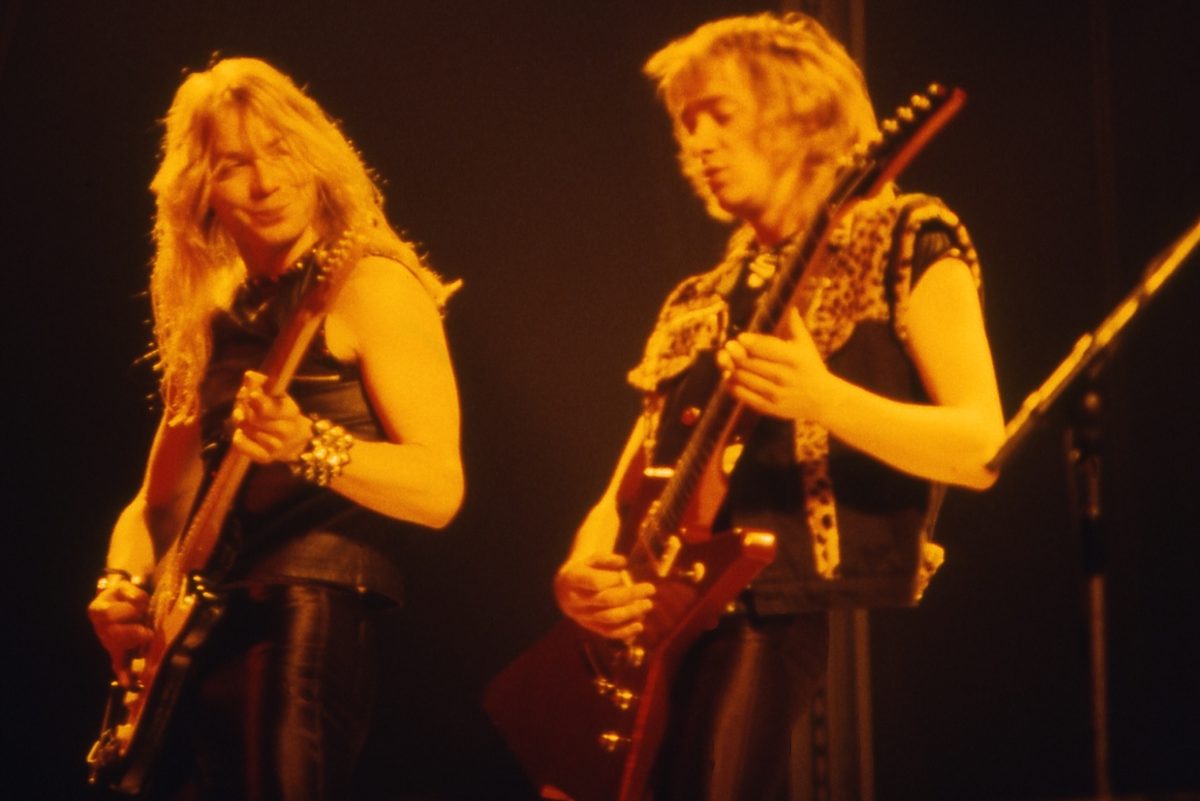
Guitarists Dave Murray (left) and Adrian Smith on stage in San Sebastián, Spain, on 4 April 1982, during the tour for The Number of the Beast.

The story

Tips for playing along

  • Tune to the record, not to the tab. The tabs get the strings right on nearly every song and say nothing about pitch. Use the Tune button for the debut (+22 ¢) and Piece of Mind (+8 ¢) at least.
  • Harmonies show every cent. Iron Maiden's twin leads are thirds and fifths played over each other. A guitar a few cents off the record turns a sweet harmony into a slow beat, so match the reference before you work on the leads.
  • Tune against the bass's fretted E. Harris often plays E on the A string's 7th fret rather than the open string, and his bass is usually clear in the mix: compare your own E on String 5 at the 7th fret with it.
  • Drop D only where it belongs. The Legacy and If Eternity Should Fail need String 6 down to D. Live recordings may have Adrian Smith in Drop D on older songs, but the studio versions are in E Standard.
  • Mind your edition. The 1998 remaster of Powerslave runs about 15 cents sharp; the other reissues in the library play at the original speed.

Questions

What tuning does Iron Maiden use?

Mostly E Standard: 18 of 18 albums. Many albums also have songs in other tunings, and the album pages list them song by song.

Why does Iron Maiden sound out of tune when I play along?

Some records are not at concert pitch. Iron Maiden sits about 22 cents sharp (A ≈ 446). A guitar tuned to A 440 clashes with them. Every Tune button on these pages sets the measured pitch for you.

How did TuneLit measure Iron Maiden's records?

We played original CDs and LPs through TuneLit's pitch analysis: the strongest notes of each song are compared with the A 440 grid, which gives the offset in cents. That cannot tell the semitone, so the tuning name comes from interviews, the press and tabs. The audio is never stored or published.