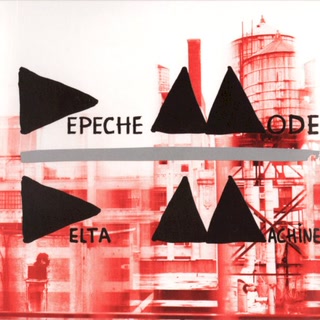
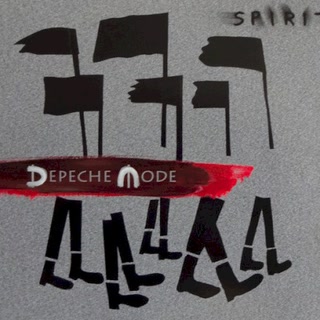
Depeche Mode's records are built on synthesizers, and synthesizers sit at concert pitch: the fourteen studio albums measured here, from Speak & Spell (1981) to Spirit (2017), are all within about 5 cents of it. Guitar arrives late and sparingly, most famously on Personal Jesus and Enjoy the Silence, and those parts are played in standard tuning.
For its first decade Depeche Mode used almost no guitar at all. Martin Gore began adding it on Violator: a blues riff on Personal Jesus, a clean picked line on Enjoy the Silence, and it has had a place in the band's sound since. For a guitarist the parts are few and simple, and they are worth learning for their restraint.
TuneLit measured the owner's copies of 14 studio albums and listened to the low notes of every song. No interview or tab was read for this page: what follows is what the records show. The album list above opens each record, where every song has a Tune button that sets the tuner exactly as listed, offset included.
Popular songs
How to tune for Depeche Mode's best-known songs
Each song has its own page: the exact tuning, the record's pitch, how to get there string by string, and how to move the record into your own tuning.
Standard tuning is E A D G B E. The guitar parts Martin Gore plays are single-note riffs and picked figures in open positions, written on and for a guitar in normal tuning.
TuneLit cannot check this from the record as it does for other bands. The bass lines are synthesizers, which play whatever note is programmed, so the lowest notes say nothing about how a guitar is tuned. The tuning here rests on the parts themselves and is marked as reported, not measured.
The pitch is measured, and it is the plainest result on the site: every album within about 5 cents of concert pitch across thirty-six years. Tune to 440 Hz and you match any of them.
Dave Gahan and Martin Gore in Denver in November 2023, on the Memento Mori tour.
TuneLit lab
What TuneLit measured
Album
Tuning listed
Measured
Reference A
Songs with their own value
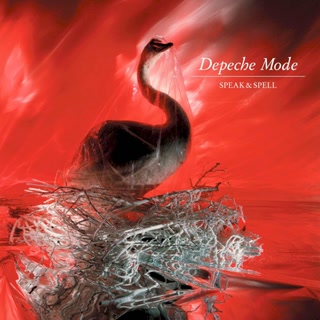
Speak & Spell (1981)
E Standard (by the record)
+1 ¢
A ≈ 440.3
Just Can't Get Enough +17 ¢, New Life +13 ¢, Tora! Tora! Tora! −11 ¢
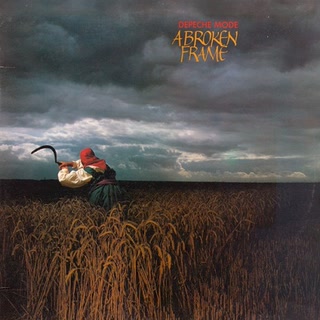
A Broken Frame (1982)
E Standard (by the record)
−1 ¢
A ≈ 439.6
The Sun & the Rainfall +20 ¢, Satellite −11 ¢
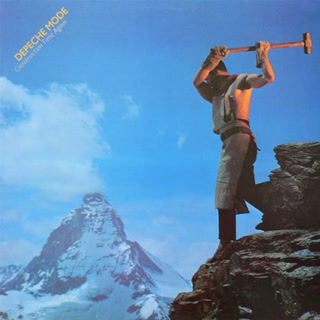
Construction Time Again (1983)
E Standard (by the record)
0 ¢
A ≈ 440
none
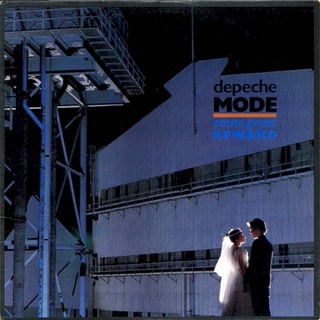
Some Great Reward (1984)
E Standard (by the record)
+1 ¢
A ≈ 440.2
Somebody +13 ¢
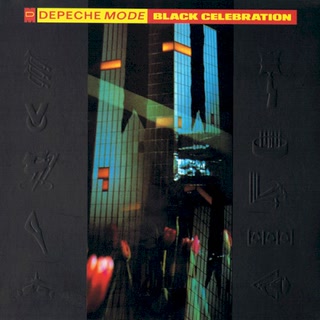
Black Celebration (1986)
E Standard (by the record)
−1 ¢
A ≈ 439.8
Black Celebration −13 ¢, Stripped +8 ¢
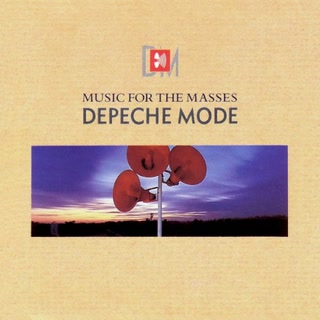
Music for the Masses (1987)
E Standard (by the record)
−5 ¢
A ≈ 438.8
Never Let Me Down Again +6 ¢
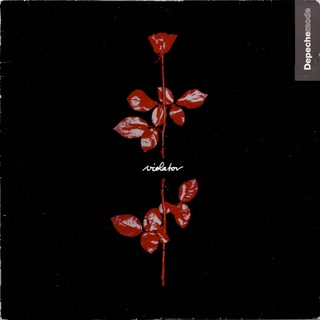
Violator (1990)
E Standard (by the record)
+1 ¢
A ≈ 440.2
Sweetest Perfection −31 ¢, Waiting for the Night −17 ¢, Policy of Truth +16 ¢
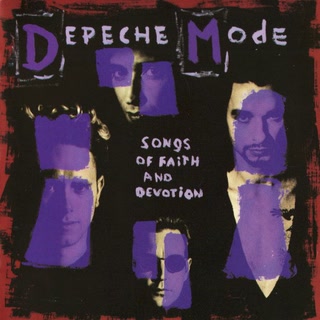
Songs of Faith and Devotion (1993)
E Standard (by the record)
−3 ¢
A ≈ 439.2
Mercy in You +27 ¢, I Feel You +17 ¢, Walking in My Shoes +16 ¢
From October 1981, the debut, written by Vince Clarke, with Just Can't Get Enough; the extra tracks of the CD are not listed. E Standard; the album sits at concert pitch, 1 ¢ above A 440 by the measurement. Just Can't Get Enough sits about 17 ¢ sharp, New Life sits about 13 ¢ sharp, Tora! Tora! Tora! sits about 11 ¢ flat, Puppets sits about 7 ¢ flat.
From September 1982, the first written by Martin Gore. E Standard; the album sits at concert pitch, 1 ¢ below A 440 by the measurement. The Sun & the Rainfall sits about 20 ¢ sharp, Satellite sits about 11 ¢ flat.
From September 1984, with People Are People. E Standard; the album sits at concert pitch, 1 ¢ above A 440 by the measurement. Somebody sits about 13 ¢ sharp.
From March 1986, with Stripped; the bonus tracks of the CD are not listed. E Standard; the album sits at concert pitch, 1 ¢ below A 440 by the measurement. Black Celebration sits about 13 ¢ flat, Stripped sits about 8 ¢ sharp.
From September 1987, with Never Let Me Down Again and Strangelove; the bonus tracks of the CD are not listed. E Standard; the album sits about 5 ¢ flat (A ≈ 438.7). Never Let Me Down Again sits about 6 ¢ sharp.
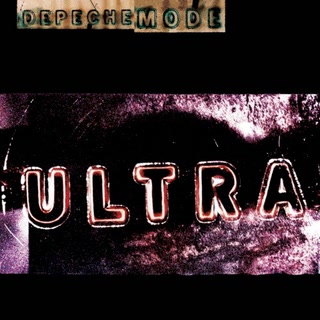
From March 1990, with Personal Jesus and Enjoy the Silence. E Standard; the album sits at concert pitch, 1 ¢ above A 440 by the measurement. Sweetest Perfection sits about 31 ¢ flat, Waiting for the Night sits about 17 ¢ flat, Policy of Truth sits about 16 ¢ sharp.
From March 1993, with I Feel You and Walking in My Shoes, the last with Alan Wilder. E Standard; the album sits at concert pitch, 3 ¢ below A 440 by the measurement. Mercy in You sits about 27 ¢ sharp, I Feel You sits about 17 ¢ sharp, Walking in My Shoes sits about 16 ¢ sharp.
From April 1997, with Barrel of a Gun and It's No Good; the hidden track is not listed. E Standard; the album sits at concert pitch, 3 ¢ above A 440 by the measurement. It's No Good sits about 10 ¢ flat.
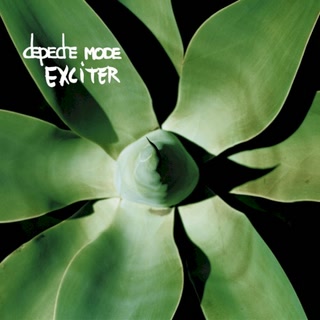
From May 2001, with Dream On. E Standard; the album sits at concert pitch, 3 ¢ above A 440 by the measurement. The Dead of Night sits about 12 ¢ sharp, I Feel Loved sits about 6 ¢ flat.
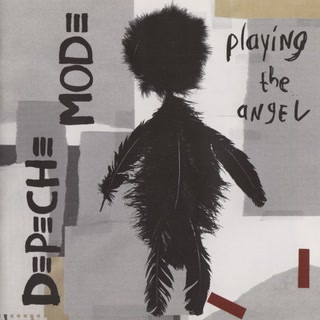
From October 2005, with Precious; the bonus track is not listed. E Standard; the album sits at concert pitch, 3 ¢ above A 440 by the measurement. The Darkest Star sits about 6 ¢ flat.
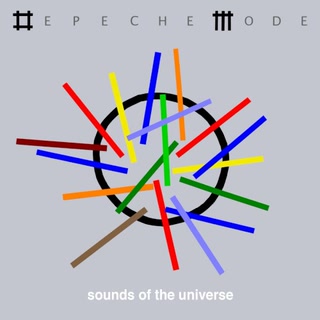
From April 2009, with Wrong. E Standard; the album sits at concert pitch, 1 ¢ above A 440 by the measurement. Miles Away - The Truth Is sits about 17 ¢ sharp.
From March 2013, with Heaven; the second disc is not listed. E Standard; the album sits at concert pitch, 1 ¢ above A 440 by the measurement. No song sits far from the album.
From March 2017, the last with Andy Fletcher; the remix disc is not listed. E Standard; the album sits at concert pitch, 1 ¢ below A 440 by the measurement. No song sits far from the album.
Dave Gahan at the Pepsi Center, Denver, on 25 August 2017, on the Global Spirit tour.
The story
Playing along
Tune to standard at concert pitch; no album needs a correction.
Play the riffs clean or with light overdrive, and leave space: the synthesizers fill the rest.
How the figures on this page were found, and how far to trust them, is on How we measure recordings.
Questions
What tuning does Depeche Mode use?
Mostly E Standard: 14 of 14 albums. Many albums also have songs in other tunings, and the album pages list them song by song.
How did TuneLit measure Depeche Mode's records?
We played original CDs and LPs through TuneLit's pitch analysis: the strongest notes of each song are compared with the A 440 grid, which gives the offset in cents. That cannot tell the semitone, so the tuning name comes from interviews, the press and tabs. The audio is never stored or published.
Menu
Theme
Language
This page is in English for now. Each language opens its home page.
Install the app
Android (Chrome): menu ⋮ → Install app or Add to Home screen.
Computer (Chrome, Edge): the install icon at the right end of the address bar.
iPhone: Safari → Share → Add to Home Screen.
It opens full screen and keeps tuning with no connection.