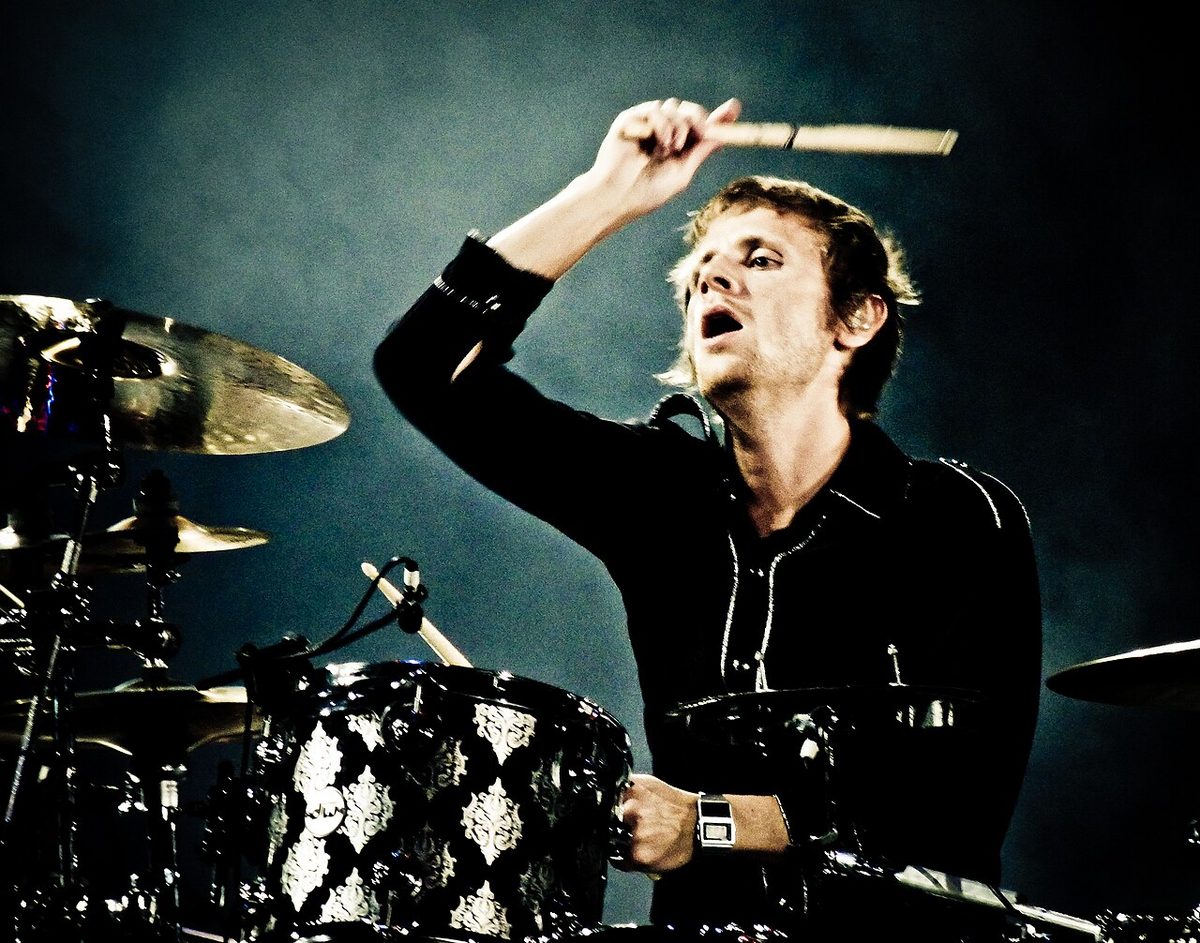
Dominic Howard, Muse's drummer, at the Estadio Ciudad de La Plata, Argentina, in March 2011, when the band opened for U2.
In short
How Muse tunes
Muse play mostly in normal tuning. On the nine albums TuneLit measured, from Showbiz (1999) to Will of the People (2022), Chris Wolstenholme's bass sits on its low E on most songs; where it goes down to a low D the song is listed in Drop D. Showbiz sits about 7 cents flat; the later albums are within about 5 cents of concert pitch.
Matt Bellamy is as much a pianist as a guitarist, and Muse songs move between falsetto ballads and riffs heavy enough for a metal band. Most of them are in normal tuning. A few of the heaviest lower string 6, and some later songs use extended-range guitars that a six-string cannot match note for note.
TuneLit measured the owner's copies of 9 studio albums and listened to the low notes of every song. No interview or tab was read for this page: what follows is what the records show. The album list above opens each record, where every song has a Tune button that sets the tuner exactly as listed, offset included.
Popular songs
How to tune for Muse's best-known songs
Each song has its own page: the exact tuning, the record's pitch, how to get there string by string, and how to move the record into your own tuning.
The bass cannot go below its open string. On most Muse songs it stops at E; where it reaches a low D, TuneLit lists the song in Drop D (string 6 lowered a whole step). Those songs rest on the record alone and are marked that way.
Two cautions. Wolstenholme's bass is often run through fuzz and synthesizer effects that add notes an octave down, and on the later albums programmed bass appears too, so a low note is not always a string. And Bellamy has used guitars with extra low strings on some songs; where a riff goes below what Drop D reaches, a six-string player has to move it up an octave.
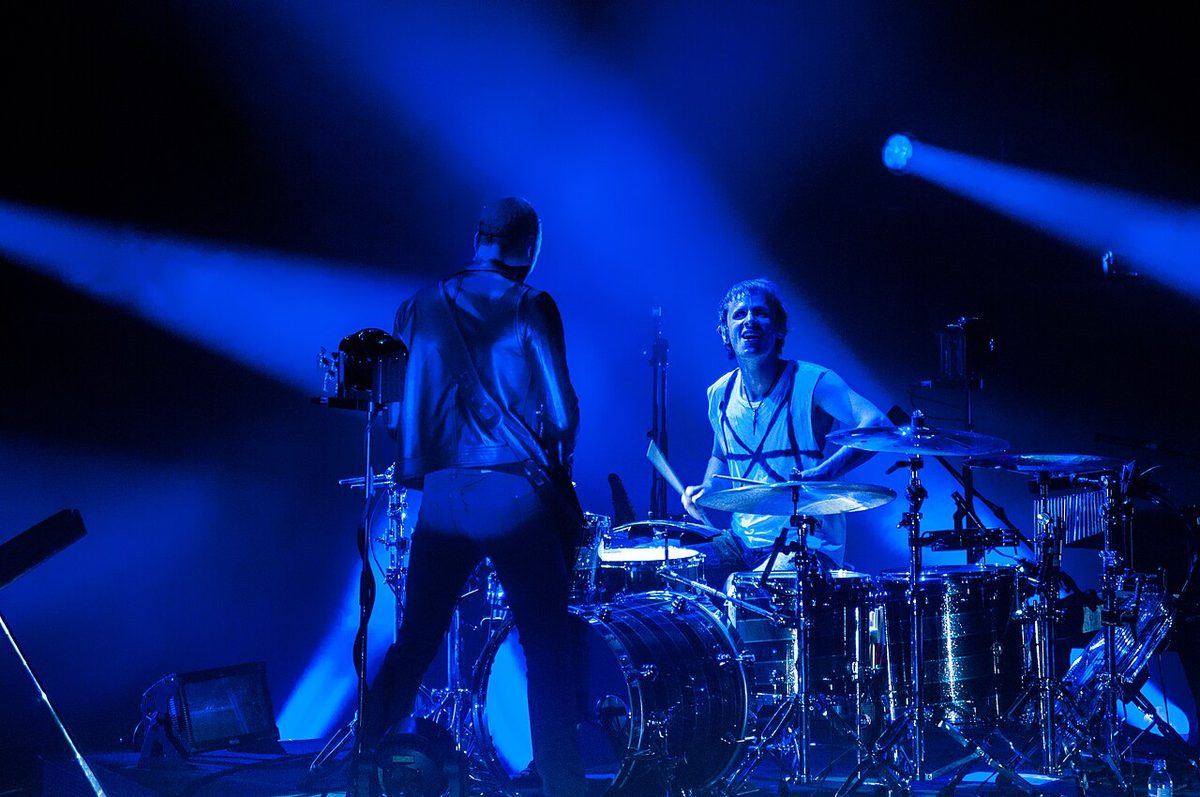
Chris Wolstenholme and Dominic Howard at the Air Canada Centre, Toronto, on 10 April 2013, on The 2nd Law tour.
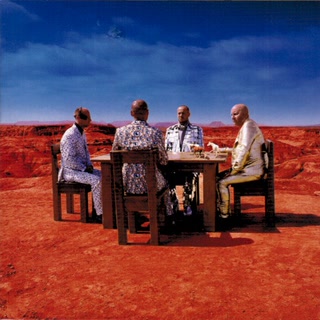
From October 1999, the debut, produced by John Leckie; the bonus track of the Japanese edition is not listed. E Standard; the album sits about 7 ¢ flat (A ≈ 438.2). Uno sits about 35 ¢ sharp, Falling Down sits about 34 ¢ flat. Listed in Drop D: Escape.
From June 2001, with Plug In Baby and New Born; the bonus track of the Japanese edition is not listed. E Standard; the album sits at concert pitch, 1 ¢ below A 440 by the measurement. Bliss sits about 12 ¢ flat. Listed in Drop D: Hyper Music, Micro Cuts.
From September 2003, with Hysteria and Time Is Running Out; the bonus track of the Japanese edition is not listed. E Standard; the album sits at concert pitch, 1 ¢ above A 440 by the measurement. Stockholm Syndrome sits about 10 ¢ flat.
From July 2006, with Supermassive Black Hole and Knights of Cydonia; the bonus track of the Japanese edition is not listed. E Standard; the album sits at concert pitch, 2 ¢ below A 440 by the measurement. No song sits far from the album. Listed in Drop D: Assassin.
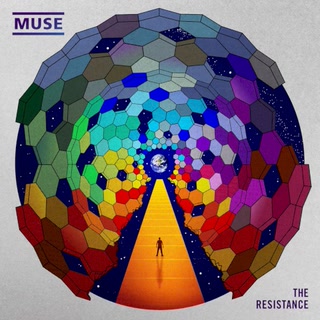
From September 2009, with Uprising. E Standard; the album sits at concert pitch, 3 ¢ below A 440 by the measurement. No song sits far from the album. Listed in Drop D: Uprising, Unnatural Selection. Listed in E♭ Standard: Undisclosed Desires, United States of Eurasia (+Collateral Damage).
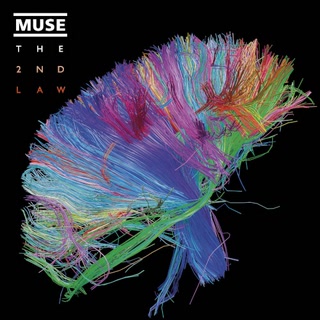
From September 2012. E Standard; the album sits at concert pitch, 2 ¢ below A 440 by the measurement. No song sits far from the album. Listed in E♭ Standard: Madness, Prelude, Follow Me, Big Freeze. Listed in Drop D: Liquid State.
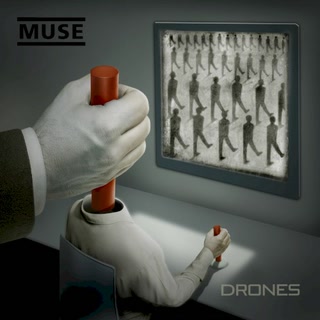
From June 2015. E Standard; the album sits at concert pitch. No song sits far from the album. Listed in Drop D: Psycho, Reapers, JFK, Defector, Drones.
From November 2018. E Standard; the album sits at concert pitch, 1 ¢ above A 440 by the measurement. No song sits far from the album. Listed in Drop D: Propaganda, Something Human, Blockades, The Void.
From August 2022. E Standard; the album sits at concert pitch, 1 ¢ above A 440 by the measurement. Kill or Be Killed sits about 11 ¢ sharp.
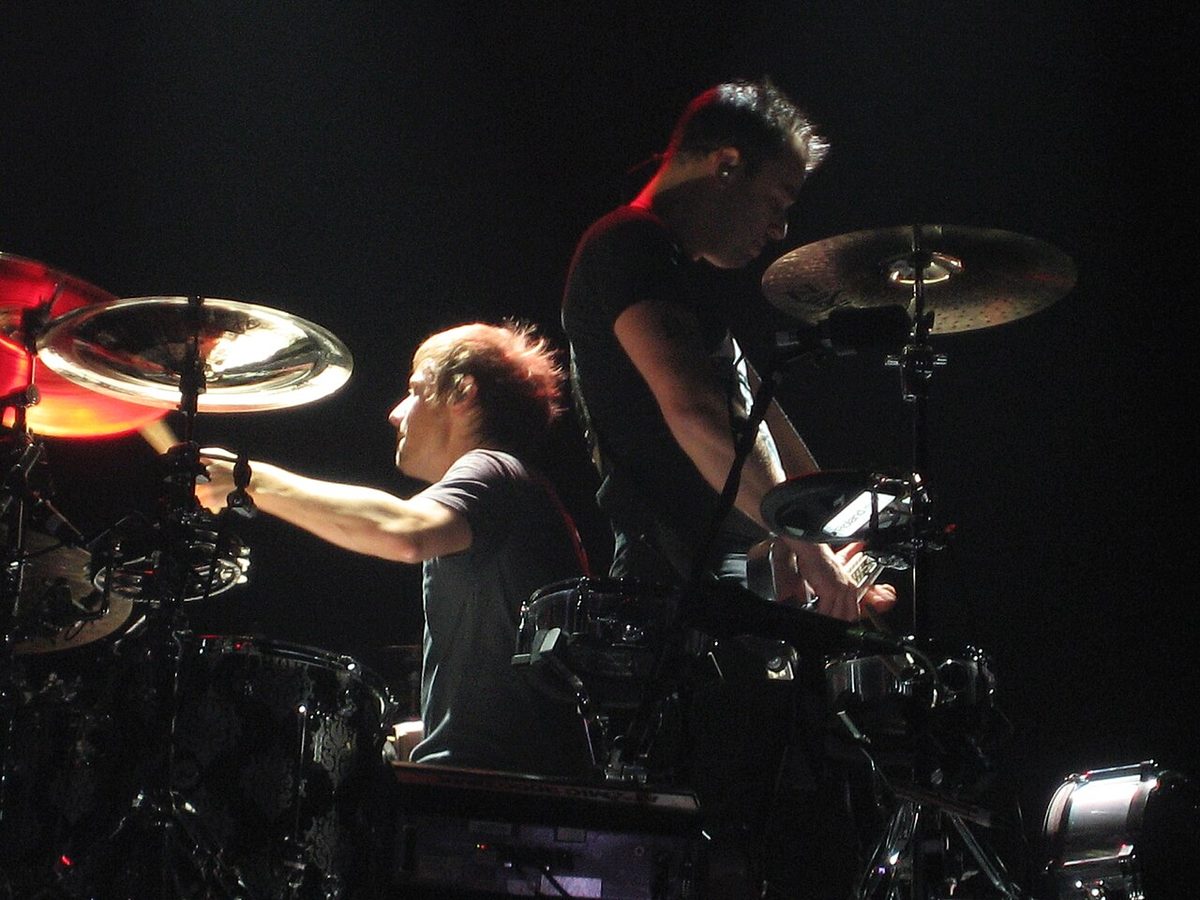
Dominic Howard at the drums at the Patriot Center, Fairfax, Virginia, on 1 March 2010.
The story
Playing along
Start in normal tuning with an ordinary tuner; only Showbiz needs the album's Tune button.
For a song listed in Drop D, lower string 6 a whole step and check it against the main riff.
How the figures on this page were found, and how far to trust them, is on How we measure recordings.
Questions
What tuning does Muse use?
Mostly E Standard: 9 of 9 albums. Many albums also have songs in other tunings, and the album pages list them song by song.
How did TuneLit measure Muse's records?
We played original CDs and LPs through TuneLit's pitch analysis: the strongest notes of each song are compared with the A 440 grid, which gives the offset in cents. That cannot tell the semitone, so the tuning name comes from interviews, the press and tabs. The audio is never stored or published.
Menu
Theme
Language
This page is in English for now. Each language opens its home page.
Install the app
Android (Chrome): menu ⋮ → Install app or Add to Home screen.
Computer (Chrome, Edge): the install icon at the right end of the address bar.
iPhone: Safari → Share → Add to Home Screen.
It opens full screen and keeps tuning with no connection.