

US · 1994–2006, 2009– · 3 albums

Limp Bizkit tunings.

C♯ Standard, a step and a half down, on the three albums that made the band; Nookie is played on a four-string guitar.

See the albums Read the story

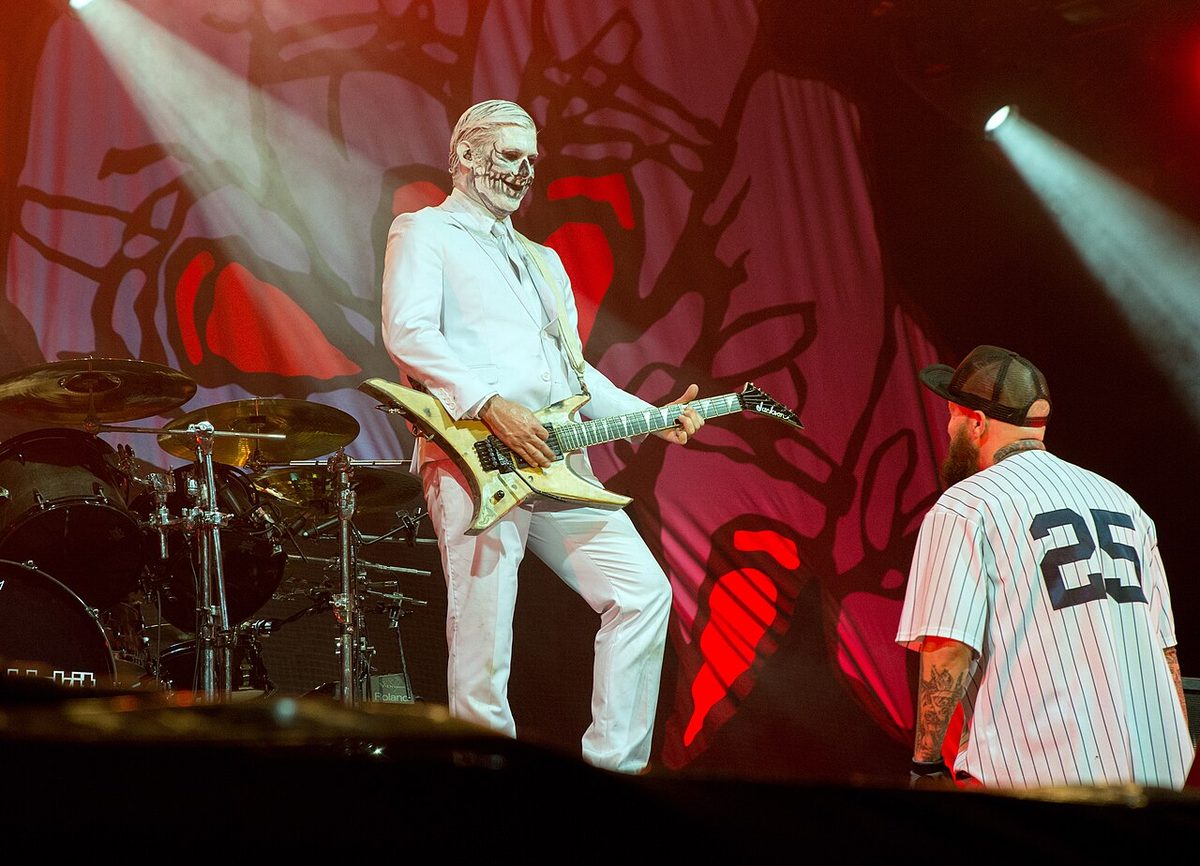
Wes Borland, Limp Bizkit's guitarist, in skull make-up at the Reload Festival, Sulingen, Germany, on 26 August 2016.

In short

How Limp Bizkit tunes

Wes Borland tunes low. Tabs call C♯ Standard (C♯ F♯ B E G♯ C♯), every string a step and a half down, his normal tuning, and on Three Dollar Bill, Y'all$, Significant Other and Chocolate Starfish and the Hot Dog Flavored Water TuneLit hears the bass go down to a low C♯ on most songs.

Read more

Nookie is the famous exception: Borland plays it on a four-string guitar that tabs give as F♯ F♯ B E. TuneLit measured the three albums. The debut sits about 14 cents sharp (A ≈ 443.6), Significant Other about 7 cents sharp and Chocolate Starfish at concert pitch. This is a band of samples, turntables and programmed beats, so the readings are less sure than for most rock records, and single songs scatter widely.

Album tunings

  • C♯ Standard3 albums

Plus the songs that break the pattern, and the pitch of each record.

3 albums · 43 songs

Pick an album

Each album shows its tuning and how far the record sits from A 440. Open it for every song and a Tune button.

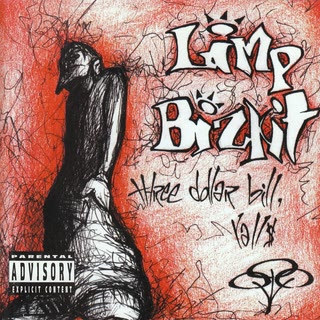
  1. Three Dollar Bill, Y'all$ album cover 1997Studio album Three Dollar Bill, Y'all$ C♯ Standard +14 ¢ +14 ¢ · A ≈ 444 MeasuredCD +14.0 ¢ 2 songs tuned differently
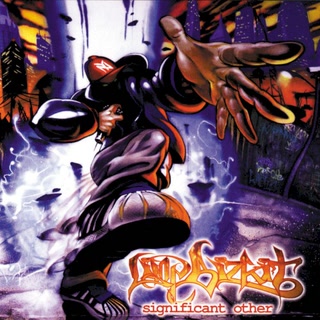
  2. Significant Other album cover 1999Studio album Significant Other C♯ Standard +7 ¢ +7 ¢ · A ≈ 442 MeasuredCD +6.8 ¢ 4 songs tuned differently
  3. Chocolate Starfish and the Hot Dog Flavored Water album cover 2000Studio album Chocolate Starfish and the Hot Dog Flavored Water C♯ Standard A 440 MeasuredCD −0.8 ¢ 3 songs tuned differently

The full story

Limp Bizkit tunings, album by album

Limp Bizkit's riffs sound huge for a reason that has little to do with distortion: the guitar is tuned a step and a half below normal. Tabs of the band's songs call C♯ Standard "standard Wes tuning", after guitarist Wes Borland, and the bass of Sam Rivers goes down with it.

Borland is also one of the few well-known players of a four-string guitar. He has described the instrument to MusicRadar as light bass strings on a guitar-like body, and Nookie, the band's breakthrough single, is played on one.

TuneLit measured the owner's copies of the three albums from 1997 to 2000. This page explains the tunings, goes through the albums and shows what the measurements found. The album list above opens each record, where every song has a Tune button that sets the tuner exactly as listed, offset included.

Popular songs

Each song has its own page: the exact tuning, the record's pitch, how to get there string by string, and how to move the record into your own tuning.

The story

C♯ Standard: a step and a half down

C♯ Standard keeps the shape of normal tuning and lowers every string by three semitones. From low to high: C♯ F♯ B E G♯ C♯. Chord shapes and tabs stay as they are; everything sounds a minor third lower.

To get there from normal tuning, lower string 6 from E to C♯, string 5 from A to F♯, string 4 from D to B, string 3 from G to E, string 2 from B to G♯ and string 1 from E to C♯. A handy check: your new string 3 is the note your string 6 used to be, two octaves up.

Strings matter at this pitch. A normal 10–⁠46 set is slack and rattles; an 11–⁠52 or 12–⁠56 set holds the tuning under the hard picking these riffs need.

Fred Durst singing at the Reload Festival, Sulingen, Germany, on 26 August 2016.

The story

Nookie and the four-string guitar

Nookie is played on a four-string guitar. Tabs give its tuning as F♯ F♯ B E: two strings on F♯ an octave apart, then B and E. Mixdown's rundown of Borland's gear gives two tunings for the instrument, that one and A A D G. On a six-string guitar in C♯ Standard you already have F♯, B and E on strings 5, 4 and 3, so the riff can be played there; only the doubled low F♯ is missing.

The site lists Nookie in the album's C♯ Standard, because it has no four-string guitar among its instruments. Tune that way and play the riff on strings 5, 4 and 3.

TuneLit lab

What TuneLit measured

AlbumSources saidMeasuredReference ASongs with their own value
Three Dollar Bill, Y'all$ (1997)C♯ Standard+14 ¢A ≈ 443.6Intro and Pollution 0 ¢
Significant Other (1999)C♯ Standard+7 ¢A ≈ 441.7Nobody Like You +17 ¢, Show Me What You Got −10 ¢
Chocolate Starfish and the Hot Dog Flavored Water (2000)C♯ Standard−1 ¢A ≈ 439.8My Generation −12 ¢, Livin' It Up −14 ¢, Hold On −13 ¢

A word of caution belongs here. TuneLit measures pitch from steady, pitched sound, and these records are full of things that are neither: scratching, samples played at altered speed, programmed drums, rapped vocals. On the debut only nine of thirteen tracks gave a confident reading, and on every album the songs scatter more than on an ordinary rock record. The album values are sound; a single song's value that differs by 10 cents may be the sample under it and not the guitars.

The check of the lowest string agrees that the bass sits on C♯ on most songs. On Break Stuff the commonest low note is the E♭ two frets above it, where the riff is played.

Discography

Album by album

Three Dollar Bill, Y'all$ (1997)

C♯ Standard +14 ¢13 songs, each with a Tune button

The debut, produced by Ross Robinson, with Counterfeit and the cover of George Michael's Faith. C♯ Standard. TuneLit measured it about 14 cents sharp (A ≈ 443.6), the highest of the three. The Intro and Pollution sit at concert pitch and have their own settings.

With TuneLit: C♯ Standard +14 ¢.

Significant Other (1999)

C♯ Standard +7 ¢15 songs, each with a Tune button

The breakthrough, produced by Terry Date: Nookie, Break Stuff, Re-Arranged. C♯ Standard, about 7 cents sharp (A ≈ 441.8). N 2 Gether Now, the hip-hop track with Method Man, has no guitar riff and reads far from the rest, as does the Outro; neither is a song to tune to.

With TuneLit: C♯ Standard +7 ¢.

Chocolate Starfish and the Hot Dog Flavored Water (2000)

C♯ Standard15 songs, each with a Tune button

The biggest seller, again with Terry Date: My Way, Rollin', Take a Look Around, My Generation. C♯ Standard at concert pitch. Three songs sit 12 to 14 cents flat and have their own settings: My Generation, Livin' It Up and Hold On.

With TuneLit: C♯ Standard at A 440.

Wes Borland and Fred Durst in front of the drum kit at the Reload Festival on 26 August 2016.

The story

Not on this page yet

Results May Vary (2003), Gold Cobra (2011) and Still Sucks (2021) are in the owner's library and were measured. Results May Vary was made without Borland, and on all three the bass goes lower than C♯ on many songs, down to B. They need sources song by song before they can be listed.

Wes Borland bent over his guitar at the Reload Festival, Sulingen, on 26 August 2016.

The story

Playing along

  • Keep a guitar with heavy strings in C♯ Standard; retuning a normal guitar this far for one song is hard on the strings and the neck.
  • Use the album's Tune button for the first two albums. For Chocolate Starfish an ordinary tuner is right.
  • How the figures on this page were found, and how far to trust them, is on How we measure recordings.

Questions

What tuning does Limp Bizkit use?

Mostly C♯ Standard: 3 of 3 albums. Many albums also have songs in other tunings, and the album pages list them song by song.

Why does Limp Bizkit sound out of tune when I play along?

Some records are not at concert pitch. Three Dollar Bill, Y'all$ sits about 14 cents sharp (A ≈ 444). A guitar tuned to A 440 clashes with them. Every Tune button on these pages sets the measured pitch for you.

How did TuneLit measure Limp Bizkit's records?

We played original CDs and LPs through TuneLit's pitch analysis: the strongest notes of each song are compared with the A 440 grid, which gives the offset in cents. That cannot tell the semitone, so the tuning name comes from interviews, the press and tabs. The audio is never stored or published.